
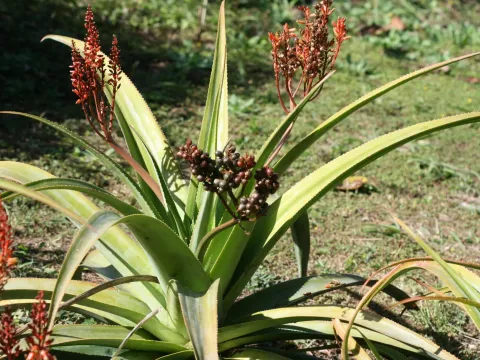
Aloe macra
Aloe macra
Aloe macra is a succulent perennial shrub native to the island of Réunion. Belonging to the Asphodelaceae family, it has evolved in rocky, arid habitats, which dictates its specific physiological and agronomic requirements for successful cultivation.
What the section contains
Aloe macra
The crop thrives in conditions of high light intensity. For greenhouse cultivation, it is essential to ensure full exposure to natural or supplementary light, as shade leads to weak, spindly growth and reduced vitality of the succulent leaf tissues.
Soil management for Aloe macra centers on drainage. The substrate should be highly porous, typically composed of sandy, gritty, and low-organic material. This structure prevents water logging, which is the primary cause of root failure in this species.
Watering requirements are moderate during the vegetative stage and minimal during dormancy. Irrigation should be performed only when the substrate has thoroughly dried out, reflecting the natural seasonal cycles of the species' original habitat.
Thermal stability is crucial for commercial production. Aloe macra requires temperatures consistently above 15°C. Even brief exposure to freezing temperatures can cause irreversible structural damage to the leaf cells, which store significant water volumes.
Fungal pathogens associated with overwatering constitute the most significant threat to the crop. Root rot and stem rot occur rapidly in poorly aerated or waterlogged soils, necessitating strict adherence to irrigation schedules and soil drainage standards.
Pest pressure is primarily driven by sap-sucking insects, with mealybugs and scale insects being the most common. These pests congregate in the crevices of the succulent leaves, extracting vital fluids and weakening the overall plant structure.
Spider mites can become a problematic factor in warm, dry greenhouse conditions. These pests thrive in low-humidity environments, which are typically preferred for aloe cultivation, making regular monitoring of the foliage essential for early intervention.
Botrytis or other foliage blights can occur if moisture remains trapped within the leaf rosettes for prolonged periods. Adequate air circulation within the greenhouse environment is a primary cultural control method to prevent the spread of foliar diseases.
Effective management includes maintaining rigorous phytosanitary standards. Infested plants should be isolated immediately, and systemic or contact insecticides should be applied according to the specific target pest's life cycle to ensure complete eradication.