
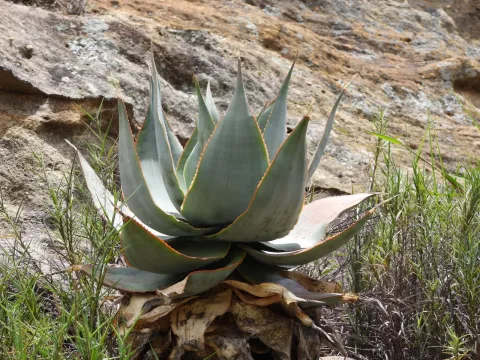
Aloe imalotensis
Aloe imalotensis
Aloe imalotensis is a distinctive succulent species belonging to the Asphodelaceae family. This rare plant is endemic to the island of Madagascar, where it thrives in arid, rocky environments characterized by intense sunlight and limited rainfall, making it a highly specialized plant.
What the section contains
Aloe imalotensis
Botanically, it features a rosette-forming habit with thick, lanceolate leaves. These leaves act as water storage organs, allowing the plant to survive extended periods of drought. The leaf margins are typically lined with small teeth, a structural adaptation common to many aloe species in Madagascar.
Climate requirements for Aloe imalotensis are strict regarding light and warmth. The plant requires full solar exposure to maintain its compact growth form and structural integrity. Any lack of light will result in etiolation and a significant reduction in the plant's overall health and vigor.
Soil composition must prioritize drainage over fertility. A mixture of horticultural sand, pumice, and minimal organic matter is ideal. The plant is extremely susceptible to root rot, making proper drainage the most important factor in the successful cultivation of this species.
Regarding temperature, Aloe imalotensis prefers warm conditions and cannot tolerate freezing temperatures. In non-tropical climates, it must be grown in greenhouses or as a houseplant, maintaining an environment that mimics its natural, warm, and dry habitat throughout the growing season.
The most significant threats to Aloe imalotensis are fungal infections, primarily root and crown rot. These are almost exclusively caused by overwatering or using a growing medium that retains too much moisture for prolonged periods of time.
Pests, specifically mealybugs and spider mites, represent a common challenge. These pests hide in the crevices between leaves and can quickly proliferate, sucking the sap from the plant and leading to stunted growth and yellowing of the foliage if left untreated.
Effective management includes regular monitoring and the application of appropriate systemic insecticides. It is essential to ensure that the surrounding air circulation is optimal to prevent the buildup of humidity, which encourages pest infestations and fungal growth.
Preventive measures also include keeping the foliage dry when watering. Directing water only at the soil base significantly reduces the risk of water trapping in the leaf axils, which could eventually lead to bacterial rot.
By maintaining a strict dry-down cycle for the soil and ensuring a well-ventilated space, growers can successfully mitigate the risks of both pests and diseases, allowing this rare Madagascar succulent to thrive in a cultivated setting.