
Aloe ibitiensis
Aloe ibitiensis
Description
Growing requirements
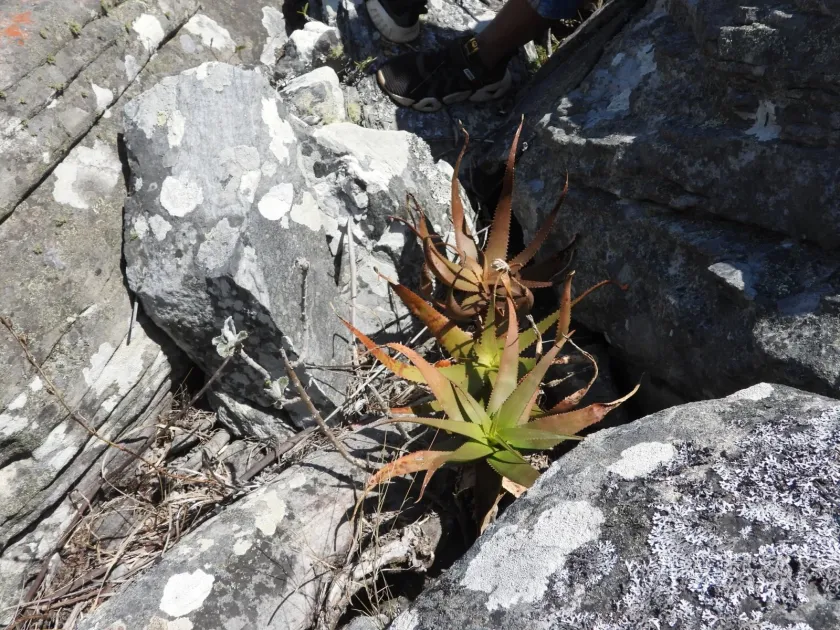
Aloe ibitiensis is a rare succulent belonging to the Asphodelaceae family. Native to the island of Madagascar, this species is adapted to thrive in rocky, high-altitude mountainous environments.
For successful cultivation, the plant requires a highly porous and well-draining soil mix. Standard potting soil should be amended with pumice, perlite, or coarse sand to ensure oxygen reaches the roots.
This species demands bright, direct light for most of the day to maintain its compact growth form. Insufficient light often leads to etiolation, where the plant becomes stretched and loses its natural resilience.
Watering frequency should be strictly regulated. The soil must dry out completely between waterings, as the roots are highly susceptible to rot when kept in consistently damp conditions.
The plant is widely recognized in specialized horticultural circles for its aesthetic appeal. It is typically kept as a specimen plant in private collections rather than being mass-produced for industrial use.
Main diseases and pests
The most common threat to Aloe ibitiensis is fungal root rot. This typically occurs when the watering schedule is too aggressive or the drainage system fails to function properly.
Mealybugs are the primary pest concern for this species. They hide in the tight crevices between leaves, feeding on the plant's sap and potentially causing stunted growth if left untreated.
Spider mites may also appear if the ambient humidity is kept too low for an extended period. These pests weaken the plant by piercing the leaf surface and extracting essential moisture.
Leaf spot diseases can develop if air circulation is stagnant or if humidity levels remain high around the foliage. Proper ventilation is essential for long-term health.
Preventative care involves inspecting the plant regularly for any signs of discoloration or pest activity. Using neem oil or mild insecticidal soaps is often sufficient for minor infestations.