
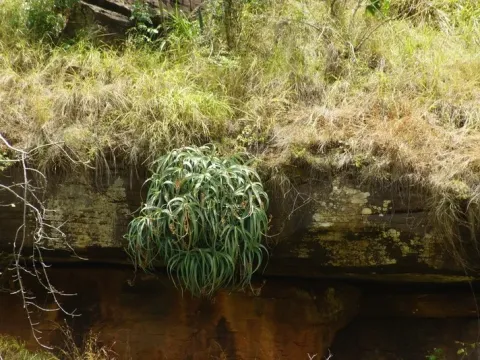
Aloe flexilifolia
Aloe flexilifolia
Aloe flexilifolia is a rare succulent species belonging to the Asphodelaceae family. This crop is native to the mountainous regions of Tanzania, where it has adapted to specific conditions of rocky outcrops and nutrient-poor, stony soils.
What the section contains
Aloe flexilifolia
The plant thrives in a moderately warm environment with excellent ventilation and intense solar exposure. In controlled cultivation, it is essential to maintain a temperature range between 18 and 25 degrees Celsius, while preventing sudden temperature shifts and water stagnation in the root system.
For cultivation, a specialized substrate with a high proportion of drainage components, such as gravel, coarse sand, or perlite, is required. Heavy clay soils are unsuitable, as they lead to rapid root rot during even minor instances of waterlogging.
The agricultural technique involves sparse but deep watering during the active growing season and almost total cessation of moisture during the winter dormancy period. It is critical to provide the plant with maximum daylight hours, as insufficient light causes the leaves to lose their characteristic firmness and ornamental quality.
In economic terms, this species is primarily valued as a collectible ornamental plant and as a potential genetic resource for breeding programs aiming to develop varieties with high resistance to arid conditions. Propagation is mainly achieved through seeds or by separating offsets from the mother plant after they have reached maturity.
The main threats to Aloe flexilifolia are fungal diseases that develop due to excessive air and soil humidity. Root rot and collar rot are the primary causes of death for young specimens when the irrigation protocol is not strictly followed.
Common pests that affect this crop include mealybugs and spider mites. These pests target the growth points and leaf bases, extracting sap and suppressing the overall development of the plant, which necessitates prompt application of systemic insecticides.