
Aloe florenceae
Aloe florenceae
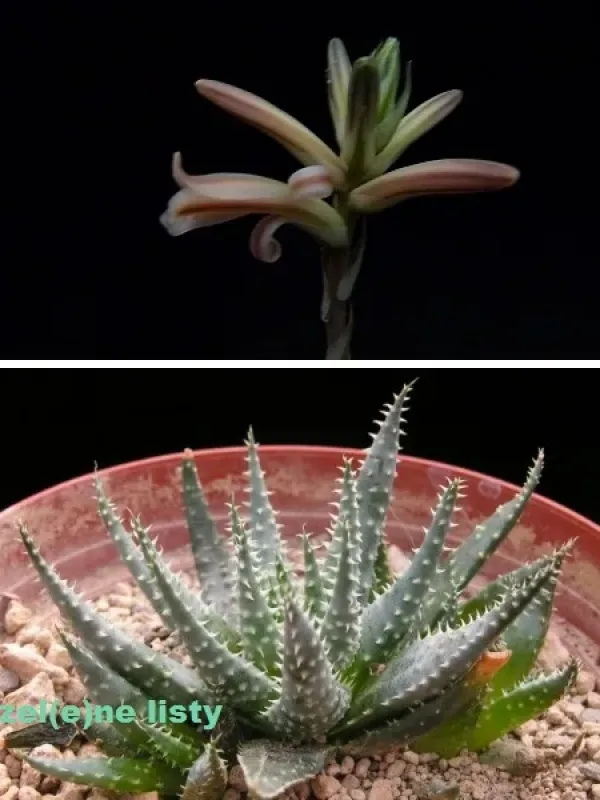
Description
Growing requirements
Aloe florenceae is a distinct species within the Asphodelaceae family, recognized for its specific succulent architecture. This plant is native to arid environments, having evolved complex mechanisms to store moisture within its succulent leaves to endure extended periods of drought.
Successful cultivation of this species requires a substrate that mimics its natural environment, emphasizing excellent aeration and drainage. Growers should use a mineral-based potting mix, incorporating sand, perlite, and coarse pumice to ensure that the root system remains oxygenated.
The plant thrives in bright, indirect light conditions. While it is a desert species, excessive direct sunlight in intense heat can lead to leaf yellowing or bleaching, so a filtered light setup is considered the most optimal for maintaining leaf color and health.
Temperature management is crucial; the plant prefers a warm range between +20°C and +26°C during the active growth phase. During the colder months, it is essential to keep the plant in a cooler environment to trigger a natural dormancy period, which supports its long-term health.
Irrigation must be strictly managed using the soak-and-dry method. It is imperative to allow the substrate to dry out completely between watering sessions to prevent the onset of anaerobic conditions in the soil, which are the primary cause of root degradation in Aloe species.
Main diseases and pests
The most significant threat to Aloe florenceae is fungal infection originating from excessive soil moisture. Root rot can manifest rapidly in poor-draining soil, leading to the collapse of the plant's structural integrity within a few weeks if left untreated.
Mealybugs are common pests that tend to hide within the tight crevices of the leaf rosettes. These pests feed on the sap and can lead to stunted growth and the spread of secondary viral infections if not managed with targeted horticultural oil sprays.
Spider mites represent another risk, especially in low-humidity environments. These microscopic pests create fine webs between the leaves and drain the plant's moisture, resulting in unsightly discolored patches on the otherwise healthy leaf surfaces.
Effective pest management involves constant vigilance and the application of neem oil or systemic insecticides if infestations occur. It is also recommended to isolate any affected plant to prevent the spread of the pest population to other collection specimens.
Maintaining proper hygiene by clearing away dead lower leaves is a vital preventive measure. Decomposing organic matter near the base of the stem attracts insects and provides a breeding ground for various pathogens, thus undermining the plant's natural defense systems.