
Aloe eremophila
Aloe eremophila
Description
Growing requirements
Aloe eremophila is a unique species of perennial succulent plant belonging to the Asphodelaceae family. In its natural environment, this species grows in the arid regions of Africa, perfectly adapted to the extreme conditions of deserts and semi-deserts.
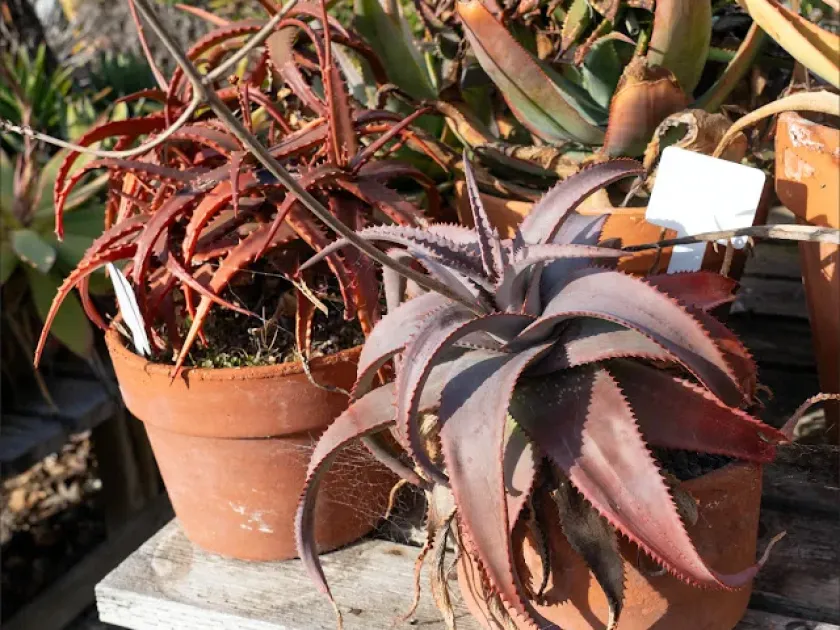
The plant is a shrub-like succulent with characteristic fleshy leaves arranged in dense rosettes. The leaves have a glaucous-green shade and a specific texture, which allows them to effectively retain moisture during prolonged drought periods.
For successful cultivation, well-drained, sandy, or rocky soils with low organic content are required. In cultivation conditions, it is crucial to avoid waterlogging, as the plant's root system is extremely sensitive to excess moisture.
Aloe eremophila prefers maximum exposure to sunlight. In greenhouses or indoor conditions, it requires bright, direct light, which ensures the proper formation of the rosette and a vibrant color of the leaf epidermis.
The temperature range should match its natural habitat. The plant is heat-loving and does not tolerate frost or sharp temperature fluctuations. The optimal range is between 20 and 30 degrees Celsius during the growing season.
Main diseases and pests
The main threat to this crop is root rot, which occurs due to improper watering and poor drainage. Excess moisture leads to rapid softening of the tissues and death of the plant.
Among the pests, mealybugs and spider mites pose the greatest danger. These insects feed on cell sap, causing deformation of young leaves and general weakening of the succulent.
To prevent infestations, it is recommended to regularly inspect the underside of the leaves and ensure constant air circulation around the plant. Insecticides should be applied only when clear signs of infestation are present.
The plant is also susceptible to fungal diseases in high humidity conditions. Regular fungicide treatment in greenhouse environments helps keep the risk of crop loss to a minimum.
Agrotechnics must include periods of distinct dormancy with restricted watering, which promotes the strengthening of the crop's immunity and prevents the development of pathogenic microflora.