
Aloe gariepensis
Aloe gariepensis
Description
Growing requirements
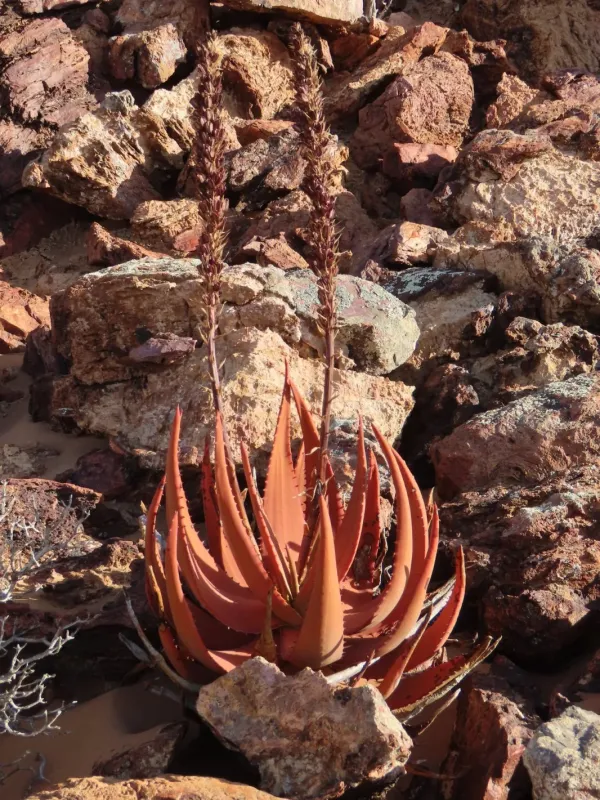
Aloe gariepensis is a unique succulent species belonging to the Asphodelaceae family. It is recognized for its dense, stemless or short-stemmed rosettes of grey-green to bluish leaves, which are adorned with distinctive reddish spines along the margins.
Originating from the arid regions along the Orange River in Southern Africa, this plant is naturally adapted to rocky terrain and high-light environments. Its evolutionary history has made it a resilient candidate for xeriscaping and drought-tolerant garden designs.
Agricultural success with this species depends on mimicking its natural habitat. A highly porous, well-draining soil mix is mandatory, usually consisting of equal parts potting soil and grit or perlite. Proper drainage prevents the roots from sitting in water, which is the primary cause of plant failure.
Light requirements for Aloe gariepensis are significant; it thrives under full sun exposure. In indoor settings, it should be kept in the sunniest possible location to maintain its compact growth form and prevent etiolation, where the plant becomes stretched and weak.
Temperature control is essential for the seasonal cycles of the plant. During the active growing season, it prefers warm temperatures ranging from 20°C to 30°C. During winter, a cooler period of dormancy between 10°C and 15°C is necessary to trigger healthy growth in the following spring.
Main diseases and pests
Root rot caused by overwatering is the most significant threat to Aloe gariepensis. Once the roots are compromised, the succulent tissues quickly become mushy and discolored, often leading to irreversible damage that spreads to the central stem.
Common pests include mealybugs and spider mites, which prefer the sheltered spots between the leaves. These insects weaken the plant by draining its sap and can leave the surface vulnerable to secondary fungal or bacterial infections.
Integrated pest management involves regular visual inspections of the leaf rosettes. If an infestation is detected, physical removal using alcohol-dipped swabs or applying horticultural oils can effectively reduce pest populations without damaging the plant's waxy cuticle.
Fungal pathogens often manifest as brown or black spots on the leaves. To mitigate these risks, ensure that there is consistent airflow around the plant, and always keep the foliage dry during watering, as standing water in the leaf axils encourages mold growth.
For severe cases of disease, the affected plant should be unpotted and examined. Removing diseased roots and repotting in dry, sterile soil is a standard protocol for rescue. Ensuring the plant stays dry for several days after this operation helps callouse any root wounds.