
Aloe fouriei
Aloe fouriei
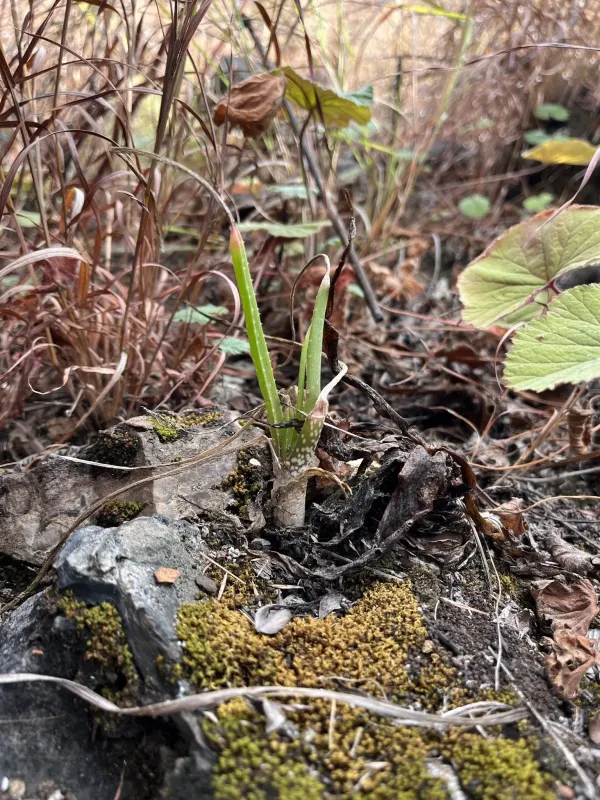
Description
Growing requirements
Aloe fouriei is a distinct succulent species belonging to the Asphodelaceae family, native to the rocky landscapes of South Africa. As a specialized plant, it has evolved to thrive in arid environments, making it a subject of interest for both botanical research and professional horticulture.
The plant features a compact rosette structure with succulent leaves designed to store water during extended periods of drought. These botanical adaptations include a thick epidermis and a specialized metabolism, which allow the plant to survive in nutrient-poor, rocky substrates under intense sunlight.
For successful cultivation, growers must provide highly porous, well-draining soil to mimic its natural rocky habitat. Drainage is the most critical factor, as stagnant moisture quickly leads to root degradation and plant failure. Adding coarse sand or volcanic rock to the potting mix is highly recommended.
Environmental requirements for Aloe fouriei emphasize high light exposure and moderate temperature ranges. It is not cold-hardy, meaning it requires protection from frost and freezing temperatures in all stages of development. Regular air circulation is also beneficial for preventing fungal infections.
The primary economic use of Aloe fouriei is ornamental, serving as a prized specimen for arid garden designs and succulent collections. Its ability to tolerate low-maintenance conditions makes it an excellent choice for sustainable landscaping in regions with Mediterranean or semi-arid climates.
Main diseases and pests
The most significant threats to this crop involve fungal pathogens that thrive in overly wet conditions. If the soil remains waterlogged, the roots become susceptible to rot; therefore, strict irrigation management is essential for maintaining a healthy plantation.
Common pests include mealybugs and spider mites, which can damage the leaves and diminish the plant's aesthetic value. To manage these populations, farmers should utilize integrated pest management techniques, including visual monitoring and the application of targeted horticultural soaps or oils.