
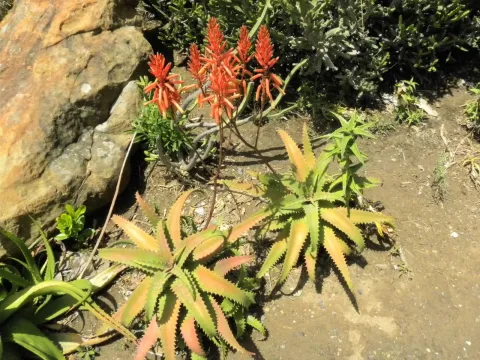
Aloe elgonica
Aloe elgonica
Aloe elgonica is a perennial succulent species belonging to the Asphodelaceae family. It is native to the high-altitude regions of Mount Elgon on the border of Kenya and Uganda, where it thrives in rocky, well-drained environments adapted to specific mountain microclimates.
What the section contains
Aloe elgonica
This species requires high levels of solar radiation to maintain its characteristic rosette structure and foliage color. In controlled agricultural settings, it is essential to provide full sunlight to prevent etiolation and ensure the plant maintains a compact, healthy form.
Soil requirements focus on excellent drainage properties. A coarse, inorganic-heavy substrate consisting of pumice, perlite, and sandy loam is highly recommended to prevent waterlogging, which the root system of this species is particularly sensitive to.
Climate conditions for optimal growth involve a temperate range between 18°C and 28°C during the growing season. In winter, a dry rest period with lower temperatures (not below 10°C) is required to simulate the plant's natural dormant cycle in its habitat.
The economic value of Aloe elgonica lies primarily in its use as an ornamental plant. It is highly prized by collectors of rare succulents and is increasingly used in xeriscaping projects in arid regions due to its remarkable drought tolerance.
The primary threat to the health of Aloe elgonica is root rot, caused by excessive moisture and poor drainage in the substrate. This physiological disorder can spread rapidly, requiring immediate intervention through repotting and removal of decayed tissues.
Mealybugs are the most prevalent insect pests, often hiding in the leaf axils. They feed on plant sap and secrete honeydew, which can lead to further fungal complications. Manual removal combined with targeted systemic insecticide application is an effective control measure.
Scale insects can infest the epidermis, creating necrotic spots that compromise the plant's aesthetic and structural integrity. Regular monitoring and physical removal, or the use of horticultural oils, are effective management strategies for this pest.
Spider mites may become a problem in environments with low humidity and stagnant air. Maintaining clean foliage and ensuring adequate ventilation help mitigate the risks of mite infestations in indoor greenhouse conditions.
Proactive plant protection involves regular inspection of the crown and root zones. By maintaining a strict irrigation schedule that allows the soil to dry out completely, most common pathogens associated with succulent cultivation can be successfully avoided.