
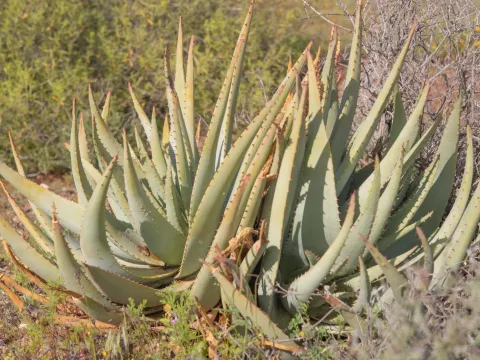
Aloe falcata
Aloe falcata
Propagation of Aloe falcata in professional nurseries is typically achieved through the division of offsets produced by the parent plant during the growing season.
What the section contains
Aloe falcata
The optimal planting window occurs in late spring or early summer, allowing the plant sufficient time to establish its roots before the cooler months arrive.
Seed propagation is also possible but requires specialized conditions, including sterile, well-draining substrate and consistent temperatures around 25 degrees Celsius.
When taking cuttings, it is crucial to allow the wound to callous for several days to prevent moisture-related decay once planted in the medium.
Using a specialized succulent potting mix with pumice or perlite ensures the necessary drainage required for successful plant development.
Belonging to the Asphodelaceae family, Aloe falcata is indigenous to the arid regions of South Africa, necessitating specific ecological conditions for growth.
This species thrives in high light intensity but prefers protection from intense midday sun, which can cause severe physiological stress and leaf scorching.
Soil requirements are strict, focusing on mineral-rich, porous, and highly permeable substrates that allow water to pass through without saturating the root zone.
Watering protocols must follow a seasonal pattern, with regular moisture during the growing phase and nearly complete desiccation during the winter dormancy.
Temperature control is essential, with the plant requiring warm days and cool nights, while avoiding temperatures below 10 degrees Celsius at all times.
Root rot is the most significant agricultural threat to this species, usually caused by improper substrate water retention or over-irrigation.
Mealybugs are common pests that infiltrate the tight leaf axils of the rosettes, where they feed on sap and secrete toxic substances.
Scale insects can pose a challenge as they attach to the leaf surface, forming hard protective shells that make them difficult to remove.
Fungal infections can develop under conditions of high humidity combined with poor airflow, leading to structural damage and necrotic spots.
Effective management includes maintaining a clean environment, ensuring adequate spacing between plants, and applying targeted pest control when necessary.