
Aloe fimbrialis
Aloe fimbrialis
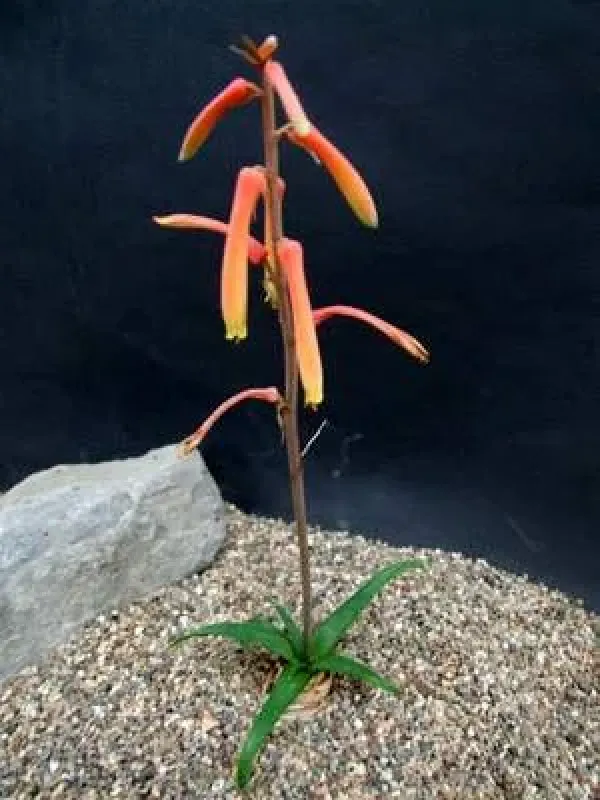
Description
Growing requirements
Aloe fimbrialis is a distinct succulent species belonging to the Asphodelaceae family. Native to the rugged, arid landscapes of Southern Africa, this plant has evolved physiological adaptations to thrive in regions characterized by prolonged droughts and high heat.
Successful cultivation requires a well-draining, porous substrate that mimics the plant's natural rocky habitat. A mixture of perlite, pumice, and coarse sand is essential to prevent water accumulation, which is the primary cause of root failure in this species.
The plant requires high levels of ambient light to maintain its compact growth form and structural integrity. In a controlled agricultural or greenhouse environment, it should be placed in areas with maximum exposure, though sensitive to direct scorching heat during mid-day.
Watering practices must be strictly controlled, following a dry-cycle method where the soil is allowed to dry out completely between sessions. Excessive humidity is detrimental to the plant's health and can lead to immediate tissue breakdown in the succulent leaves.
Propagation is primarily achieved through offsets or seeds, requiring careful attention to hygiene to avoid fungal infection. The plant exhibits slow-growth characteristics and benefits from seasonal temperature shifts that mimic natural cycles in its native habitat.
Main diseases and pests
The most significant threats to Aloe fimbrialis are mealybugs and spider mites, which can infest the dense leaf rosettes. Frequent inspection and the use of insecticidal soaps are recommended to maintain plant health and prevent population explosions.
Fungal pathogens such as Pythium and Fusarium are common when environmental conditions are too wet. Maintaining optimal air circulation and ensuring the substrate never remains saturated are the best methods to prevent these devastating soil-borne diseases.