
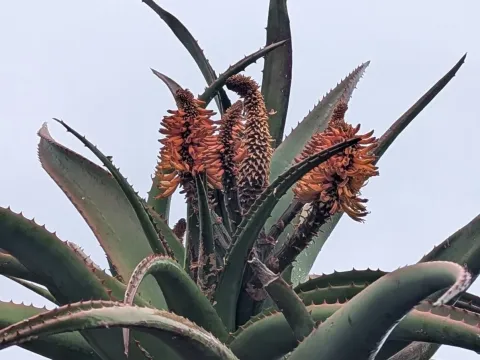
Aloe ferox
Aloe ferox
Aloe ferox, commonly known as bitter aloe, is a distinct species belonging to the Asphodelaceae family, native to the arid regions of Southern Africa.
What the section contains
Aloe ferox
This species is highly adapted to sunny environments and requires well-drained soil, typically sandy or loam, with a neutral to slightly acidic pH level.
The plant thrives in climates with minimal frost, as cold temperatures can severely damage its succulent tissues and reduce the overall quality of the harvest.
Agricultural success depends on providing full sunlight exposure and ensuring that irrigation practices do not cause waterlogging, which is detrimental to the root system.
Due to its xerophytic nature, Aloe ferox is highly efficient in water management, making it an ideal crop for regions facing severe water scarcity.
The economic value of Aloe ferox stems from two main products: the bitter yellow exudate collected from the leaf base and the clear leaf gel used in cosmetics.
Production cycles usually begin when the plants are around three to four years old, providing a sustainable source of raw materials for over two decades.
Crop yield is heavily influenced by planting density and environmental conditions, as optimal sun exposure increases the concentration of beneficial phytochemicals.
Standardized harvesting methods allow for consistent output, ensuring that the market receives high-quality extracts required for pharmaceutical and beauty products.
Modern extraction techniques emphasize the importance of speed to ensure the integrity of the bioactive compounds found within the leaf tissue.
Root rot is the most significant threat to Aloe ferox plantations, often resulting from poor soil drainage or excessive irrigation during the dormant season.
Pests, particularly scale insects and mealybugs, represent a common challenge, as they infest the thick leaves and can stunt the growth of young plants.
Fungal infections can emerge when humidity levels remain too high, potentially causing leaf rot that necessitates quick removal of the affected specimens.
To maintain plant health, growers must monitor the fields regularly for signs of distress and implement integrated pest management strategies early.
Effective crop management includes maintaining wide spacing between rows to facilitate airflow and reduce the likelihood of spreading fungal spores.
Harvesting involves the careful manual cutting of mature leaves, typically targeting the lower parts of the plant where active compounds are most concentrated.
The cut leaves are placed in specialized containers to allow the bitter sap to drain naturally under gravity for subsequent processing into powder.
After sap collection, the tough outer rind is removed to access the inner gel, which must be processed quickly to avoid oxidation and degradation of quality.
The timing of the harvest is critical and is often staggered to allow the plant sufficient time to regenerate its leaf mass between seasonal cuts.
Quality control during harvest ensures that only healthy, undamaged leaves reach the processing facility, preserving the efficacy of the final extract.