
Aloe forbesii
Aloe forbesii
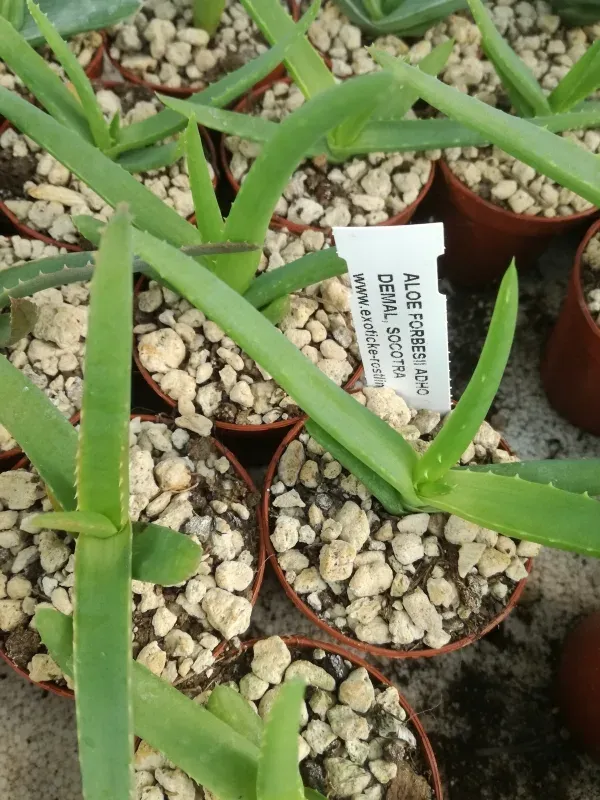
Description
Growing requirements
Aloe forbesii is a distinct succulent species belonging to the Asphodelaceae family. Native to the island of Socotra, this plant is well-adapted to extreme environmental conditions, specifically rocky substrates and arid tropical climates.
The plant requires a highly porous, gritty, and fast-draining soil mix to thrive. In cultivation, it is essential to ensure that the potting medium mimics its natural rocky habitat to prevent root rot, which is the most common cause of plant failure.
Abundant sunlight is crucial for the development of Aloe forbesii. Without sufficient solar radiation, the plant loses its structural integrity, develops elongated leaves, and fails to accumulate necessary phytochemical compounds.
Temperature requirements are stringent, as the species demands consistently warm temperatures throughout the year. It lacks cold hardiness and must be protected from freezing conditions, which can cause irreparable cellular damage.
Agrotechnical management is focused on providing water only when the growing medium is completely dry. Fertilization should be kept to a minimum, using balanced mineral-based supplements specifically designed for desert succulents to promote slow and healthy growth.
Main diseases and pests
The primary threat to Aloe forbesii is the susceptibility to fungal and bacterial decay caused by overwatering. A lack of proper drainage leads to hypoxic conditions in the roots, facilitating the rapid spread of pathogens.
Mealybugs represent a significant pest threat, colonizing the leaf axils and sheltered areas of the rosette. These pests extract plant sap, weakening the host and often introducing secondary viral or fungal infections into the wounded tissues.
Scale insects are another common concern; they attach firmly to the leaf surface, creating a protective layer that makes them resistant to standard contact pesticides. Systemic control measures are often required for effective management.
Spider mites may occasionally occur, especially in dry, indoor environments with poor air circulation. They thrive in low humidity and can cause significant damage to the leaf epidermis, leading to discolored and scarred foliage.
Effective management includes maintaining good airflow, monitoring for early signs of infestation, and ensuring that the plant is kept in a clean, hygienic growing environment to minimize pest and disease pressure.