
Aloe fragilis
Aloe fragilis
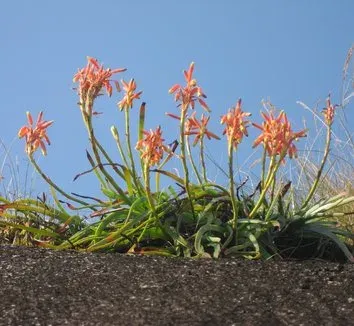
Description
Growing requirements
Aloe fragilis is a rare succulent species belonging to the Asphodelaceae family, endemic to the island of Madagascar. It is highly sought after by collectors for its compact size and distinct, rosette-forming structure.
The plant is biologically characterized by its extreme fragility, as the leaves detach easily from the main stem. This adaptation acts as a natural propagation mechanism in the wild, allowing broken segments to root in the surrounding soil.
Cultivation requires bright, indirect light to maintain the plant's health and coloration. Direct sunlight during peak summer hours should be avoided to prevent leaf scorching, which can permanently damage the fragile foliage.
The growing medium must be highly porous and well-draining. A mix consisting of equal parts potting soil, coarse sand, and perlite is ideal to prevent moisture accumulation around the roots, which is fatal to this species.
Temperature management is crucial for Aloe fragilis; it thrives in temperatures between 20°C and 25°C. During the winter dormancy period, the plant requires cooler conditions and minimal water to sustain its metabolic health.
Main diseases and pests
Root rot, caused by overwatering or poor drainage, remains the primary threat to this species. Because the plant is sensitive to moisture, any water sitting in the leaf axils can trigger rapid bacterial or fungal decay.
Pests such as mealybugs and spider mites are common enemies of Aloe species. They typically hide in the tight spaces between leaves, making physical removal difficult without causing mechanical damage to the brittle foliage.
Integrated pest management, including regular inspection and the use of targeted systemic insecticides, is necessary to keep the plant free from infestations. Keeping the plant in a well-ventilated area helps prevent pest outbreaks.
Preventative care involves ensuring the substrate dries out completely between waterings. Using ceramic or terracotta pots can help improve aeration, which is beneficial for the root system's longevity.
In cases of fungal attack, immediate repotting into fresh, dry soil and removing infected leaves is the only way to save the plant. Always use sterile tools to prevent the spread of infections during pruning.