

Reference · Crops
Monstera
Monstera
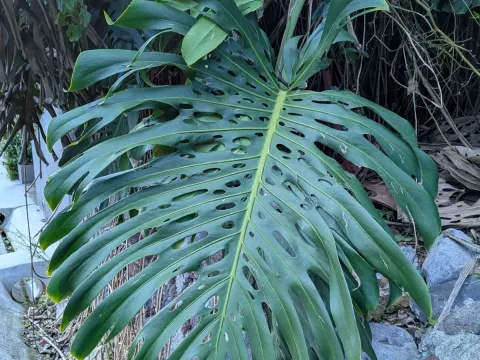
Monstera is a genus of evergreen tropical vines belonging to the Araceae family. Originating from the rainforests of Central and South America, this plant has adapted to serve as both an ornamental and a food crop in various tropical regions globally due to its unique biological structure and resilient nature.
10
items
What the section contains
 Monstera acuminata
Monstera acuminata
Monstera acuminata
 Monstera dubia
Monstera dubia
Monstera dubia
 Monstera hybrids
Monstera hybrids
Monstera hybrids
 Monstera lechleriana
Monstera lechleriana
Monstera lechleriana
 Monstera pinnatipartita
Monstera pinnatipartita
Monstera pinnatipartita
 Monstera siltepecana
Monstera siltepecana
Monstera siltepecana
 Monstera tenuis
Monstera tenuis
Monstera tenuis
 Monstera tuberculata
Monstera tuberculata
Monstera tuberculata
 Rhaphidophora tetrasperma
Monstera minima
Rhaphidophora tetrasperma
Monstera minima
 Standley's Monstera
Monstera standleyana
Standley's Monstera
Monstera standleyana
Marketplace
Products in this section · 2

Monstera
The optimal climate for Monstera cultivation involves a temperature range between +20°C and +25°C. It is highly sensitive to abrupt thermal fluctuations and cold drafts, which cause immediate leaf necrosis and stunted growth. The plant thrives in bright, indirect light, mimicking the filtered canopy sunlight of its native jungle habitat.
Soil requirements dictate the use of a porous, well-draining substrate rich in organic matter. A slightly acidic pH level between 5.5 and 6.5 is preferred. Effective drainage systems are mandatory to prevent root suffocation and the development of water-borne pathogens, which are common in indoor or greenhouse cultivation.
Regular, controlled irrigation is essential. The plant requires high humidity levels to function optimally, necessitating regular misting or automated humidification systems. In commercial setups, maintaining consistent moisture levels in the root zone is key to achieving lush foliage and robust growth cycles.
Propagation is primarily achieved through stem cuttings containing nodes and aerial roots. Utilizing commercial rooting hormones in a sterile, warm, and humid environment significantly enhances propagation success rates, allowing for consistent nursery production of new plant stock.
In agricultural settings, particularly in Latin America and Southeast Asia, the species Monstera deliciosa is harvested for its edible infructescence. The yield is measured by the quality and mass of the mature, pineapple-like fruit, which requires specific environmental conditioning to reach harvestable stages.
Harvest management is a technical challenge, as the fruit requires approximately one year to mature post-flowering. Harvesting before full maturity is prohibited, as unripe tissues contain high concentrations of calcium oxalate crystals, which are toxic and cause severe irritation if ingested.
Productivity is directly linked to the age of the vine and the availability of essential nutrients. Mature plants, typically three to five years old, are the primary contributors to fruit yield. Supplemental fertilization with potassium-heavy blends is standard practice to boost infructescence development.
Secondary utilization includes the harvesting of strong, fibrous aerial roots, which are used as cordage or weaving material in local economies. This practice must be balanced with the plant's overall health to ensure sustained vegetative and reproductive output.
Continuous monitoring of plant density in production areas is vital. Optimal spacing ensures sufficient airflow and light penetration, which are the primary determinants of total biomass production and overall harvest quality in large-scale greenhouses.
Common agricultural pests affecting Monstera include scale insects and mealybugs. These organisms congregate on stems and leaf undersides, extracting sap and weakening the plant. Integrated pest management (IPM) techniques, including the release of predatory insects, are often employed in sustainable setups.
Spider mites are a significant threat, particularly in environments where air humidity drops below 60%. These pests proliferate rapidly and can defoliate a plant if not controlled with appropriate miticides or frequent leaf washing to disrupt their life cycle.
Root rot, primarily caused by Phytophthora or Pythium species, is a major disease resulting from over-irrigation. Prevention focuses on substrate aeration and the application of systemic fungicides during the early stages of a suspected outbreak.
Bacterial leaf spot is often spread through contaminated tools or standing water on foliage. Rigorous sanitation protocols, such as disinfecting shears between plants and maintaining adequate spacing to facilitate leaf drying, are the standard preventative measures used by professional growers.
Nutrient-related disorders, such as chlorosis, manifest as yellowing of the leaves due to magnesium or iron deficiencies. Precise monitoring of substrate nutrient levels via periodic soil analysis allows growers to adjust fertigation protocols before productivity is impacted.