
Monstera tuberculata
Monstera tuberculata
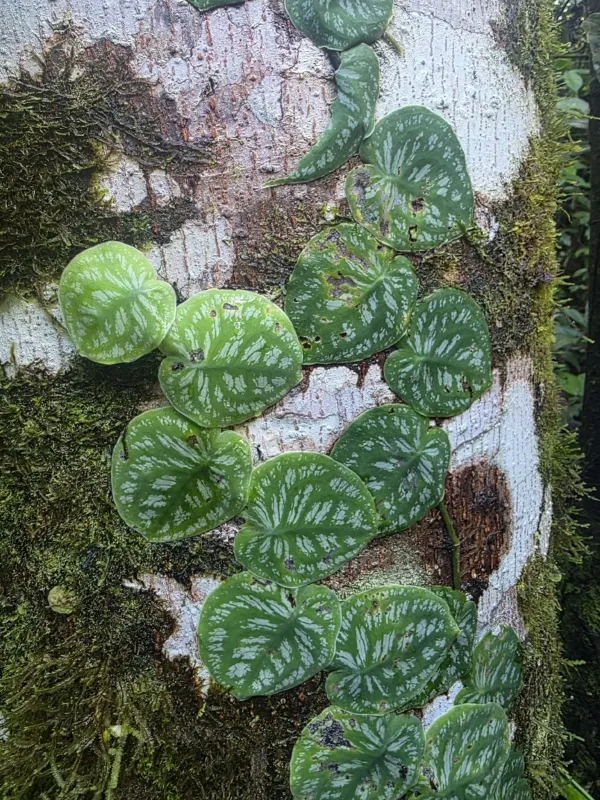
Description
Growing requirements
Monstera tuberculata is a perennial epiphytic vine belonging to the Araceae family. Native to the dense tropical rainforests of Central America, this plant is well-adapted to high-humidity environments and thrives in understory conditions.
Temperature management is critical for this species, with an ideal range of +22°C to +28°C. The plant exhibits high sensitivity to cold drafts, which can cause significant stress, manifest as leaf chlorosis, and result in stunted growth cycles.
Optimal substrate for this cultivation requires a porous, well-draining mix. A blend consisting of sphagnum peat, aged pine bark, and perlite provides the necessary structure to support root aeration while maintaining adequate moisture levels.
Regarding light, the species prefers bright, indirect sunlight. Exposure to harsh, direct sunlight will damage the leaf tissue, leading to irreversible sunburns. Controlled shading techniques are necessary when cultivating this plant in greenhouse settings.
Agrotechnical maintenance involves consistent fertilization with a balanced liquid feed during the primary growth phase. Providing moss-covered poles allows the vine to anchor its aerial roots, significantly improving nutrient uptake and overall vigor.
Main diseases and pests
Common pests affecting Monstera tuberculata include spider mites and scale insects. These pests thrive in low-humidity environments; therefore, maintaining high ambient moisture and conducting regular foliage inspections are the best preventive measures.
Root rot, often caused by overwatering or poor drainage, remains the primary pathological threat. If the root zone remains waterlogged, pathogens such as Pythium can quickly compromise the plant, leading to systemic decay and potential crop failure.
Mealybugs often infest leaf axils, drawing sap and weakening the structure of the vine. Integrated pest management, including the use of horticultural soaps or systemic insecticides, is recommended to keep populations below economic injury levels.
Fungal leaf spot diseases can emerge in poorly ventilated conditions. Ensuring adequate spacing between plants and maintaining good airflow is essential to prevent the spread of fungal spores across the cultivation area.
Chlorosis may occur due to nutrient deficiencies, particularly iron or magnesium. Regular soil pH monitoring ensures that essential minerals remain bioavailable to the root system, preventing yellowing and maintaining plant health.