
Monstera pinnatipartita
Monstera pinnatipartita
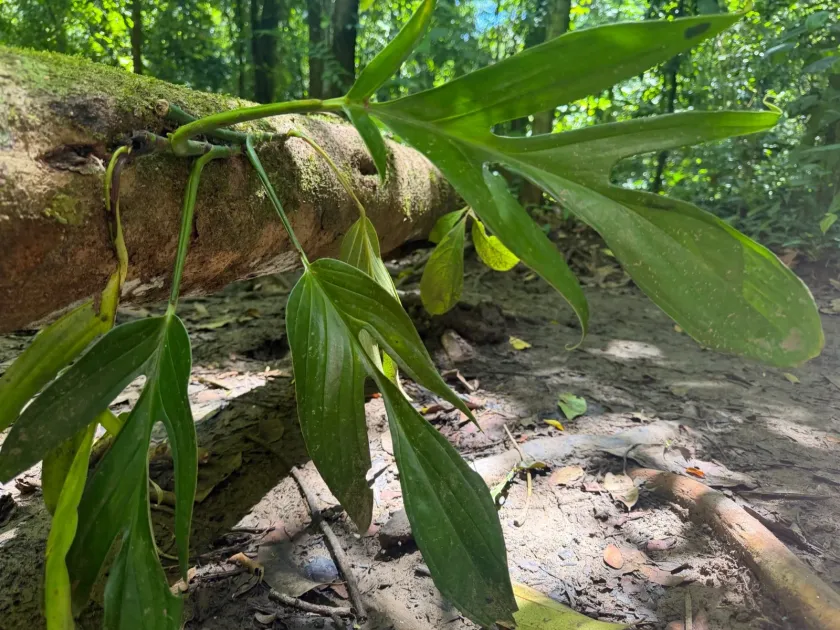
Description
Growing requirements
Monstera pinnatipartita is a striking evergreen vine belonging to the Araceae family, native to the tropical rainforests of Central and South America. As an epiphyte, it naturally climbs trees, using its aerial roots to absorb moisture and nutrients from the environment.
Successful cultivation requires high humidity levels and stable, warm temperatures typically ranging from 20 to 25 degrees Celsius. The plant should be kept away from cold drafts and direct air conditioning vents, which can cause significant stress to its foliage.
The ideal growing medium must be porous and well-draining, mimicking the forest floor debris. A mix consisting of orchid bark, peat moss, perlite, and charcoal is highly recommended to ensure proper aeration and moisture retention without compaction.
Bright, indirect light is essential for maintaining the health of this species. While it can tolerate low light levels, prolonged exposure to poor lighting conditions will stunt its growth and prevent the iconic splitting of its leaves as it matures.
Regular maintenance involves watering when the top inch of soil feels dry and applying a balanced, diluted liquid fertilizer throughout the growing season to support its vigorous development and large leaf structure.
Main diseases and pests
Spider mites are the most common pest, especially in indoor environments where the air is dry. Preventive measures include regular misting and cleaning the leaves with a soft damp cloth to discourage these pests from settling.
Mealybugs and scale insects may hide in the nooks and crannies of the petioles and stems. Regular inspection of the plant is vital, and infestations should be addressed immediately with insecticidal soaps or horticultural oils.
Root rot is a major threat caused by overwatering or poor drainage. This condition quickly leads to the decay of the entire root system, making it essential to prioritize a high-quality substrate and proper pot drainage.
Leaf spot diseases, often caused by fungi or bacteria, usually appear when the plant is kept in conditions with poor airflow and excessive moisture. Improving ventilation and reducing humidity slightly can help manage these outbreaks.
Chlorosis, or yellowing of the leaves, is often a sign of nutrient deficiencies or improper pH levels in the soil. Maintaining a balanced fertilization schedule and checking water quality can prevent these physiological disorders.