
Montrichardia
Montrichardia
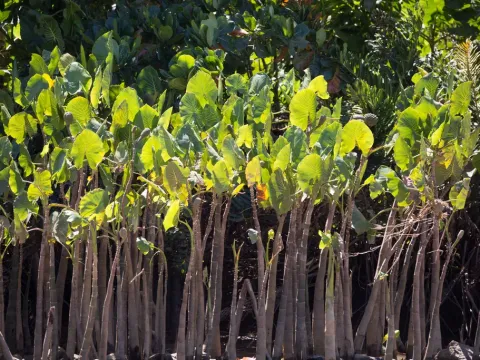
Montrichardia is a genus of perennial, evergreen plants belonging to the Araceae family. In their natural habitat, they propagate through seeds that are effectively dispersed by water currents in riparian ecosystems.
What the section contains


Montrichardia
For cultivation, seeds must be sown immediately after collection because they lose viability upon drying. A substrate consisting of silt and river sand, maintaining high moisture levels, is ideal for germination.
Optimal temperatures for seed germination range from 25 to 30 degrees Celsius. Planting is typically done in shallow containers filled with water to mimic the plant's natural marshland environment.
Growth rates are significantly improved when humidity levels remain high. Using mild growth stimulants during the early stages of development can help ensure robust root establishment in young seedlings.
Transplanting to a permanent location should occur once the plant has developed several true leaves. The root system is delicate, so careful handling is necessary to avoid transplant shock.
As a tropical plant, Montrichardia is well-adapted to swampy terrains, riverbanks, and mangrove areas. It requires high light intensity and constant contact between its roots and fresh or brackish water.
Soil requirements focus on high organic content, typically found in alluvial sediments. The plant tolerates clay-heavy, silty soils but is extremely sensitive to drought conditions, which can be lethal to young specimens.
The climate must remain tropical, as the plant cannot tolerate temperatures below 15 degrees Celsius. Continuous exposure to cold will stunt growth and lead to severe physiological decline.
High relative humidity, ideally above 80 percent, is essential for healthy leaf development. Providing shelter from strong winds is crucial, as the plant's large, arrow-shaped leaves are prone to mechanical damage.
Montrichardia possesses a strong root system that stabilizes the surrounding sediment. This makes the plant an excellent candidate for ecological restoration projects in flood-prone areas.
The agricultural value of Montrichardia lies in its starchy rhizomes and seeds, which are consumed after proper processing. While commercial yields are not standardized, local communities have long utilized the plant for food.
The biomass of the plant can be utilized as green manure or as a supplementary feed base after neutralizing its natural toxins. Its rapid growth cycle allows for frequent biomass harvesting in stable tropical climates.
Harvesting fruits is a manual process performed once they reach maturity. Yield density is heavily dependent on the hydrological conditions of the growing site and the intensity of sunlight during the flowering phase.
Optimizing planting density and light exposure is key to increasing biomass production. Strategic thinning of the population ensures that plants receive sufficient resources for optimal fruit development.
Ongoing research aims to improve taste characteristics and reduce the concentration of irritants in seeds through selective breeding and optimized cultivation techniques.
The main threats to Montrichardia are fungal diseases that target the leaves in environments with poor air circulation. Excessive moisture combined with stagnant air often leads to mold growth.
Pests such as aphids and spider mites frequently attack tender young shoots. Additionally, various lepidopteran larvae may feed on the fleshy parts of the leaves, causing significant foliage damage.
Root rot represents a critical, often hidden danger, especially in aquatic growing environments. Maintaining high water quality and preventing stagnation are the primary methods for managing this risk.
The plant contains calcium oxalate crystals, which provide a natural defense against many herbivores. However, in regions with scarce alternative food sources, small mammals may still inflict damage.
Integrated pest management is difficult due to the ecological sensitivity of the aquatic environment. Chemical interventions must be minimized to avoid polluting the water source.
Seed harvesting is conducted when the fruit reaches full maturity, usually identified by a change in pericarp coloration. Timely collection is essential to prevent seed loss due to natural dropping.
Post-harvest processing of the seeds is mandatory. This involves separating the seeds from the pulp and boiling them thoroughly to remove bitter compounds and neutralize irritants, ensuring food safety.
Harvesting vegetative biomass involves cutting the above-water parts of the stem. It is most effective to perform this in the morning hours to maximize the water content and freshness of the tissue.
Storage of the harvested crop requires high humidity environments to prevent rapid dehydration. Processing should occur as soon as possible after harvesting to maintain the quality of the raw material.
Logistical challenges in swampy areas require the use of specialized tools or boats to access the harvesting sites, ensuring that the plant patches are not damaged during the removal process.