
Monstera siltepecana
Monstera siltepecana
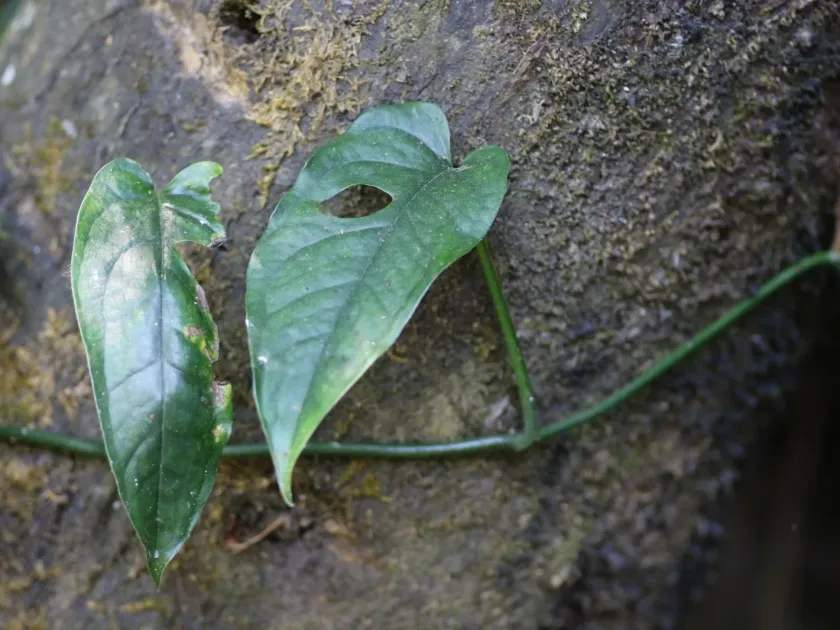
Description
Growing requirements
Monstera siltepecana is a captivating climbing vine belonging to the Araceae family. Native to the tropical rainforests of Mexico, this species is known for its beautiful silver-patterned foliage that changes significantly as the plant matures.
To cultivate this plant successfully, you must provide stable ambient temperatures, ideally between 65°F and 80°F (18°C–27°C). It is sensitive to cold drafts and sudden temperature fluctuations, which can stress the plant and cause leaf drop.
The substrate must be light, airy, and well-draining. A professional aroid mix consisting of coco coir or peat, orchid bark, perlite, and a small amount of activated charcoal is recommended to mimic the plant's natural epiphytic environment.
Light requirements are moderate to bright indirect sunlight. While the plant can tolerate lower light levels, bright indirect light is essential for maintaining the striking silver variegation and promoting the development of fenestrations in adult leaves.
Consistent moisture is key, but avoid waterlogging. Water only when the top inch of soil has dried out. In their natural habitat, these plants benefit from high humidity levels, so keeping them away from direct heating vents is crucial.
Main diseases and pests
Pests commonly associated with Monstera siltepecana include spider mites, mealybugs, and scale insects. These pests thrive in dry conditions and can quickly infest the undersides of leaves and leaf axils.
Root rot is a major threat caused by overwatering or poor drainage. Signs of distress include yellowing leaves, mushy stems, and a failure to thrive despite the plant being in a warm environment.
Fungal leaf spots can occur if leaves remain wet for too long without adequate ventilation. Keeping the foliage dry and ensuring good airflow around the plant helps prevent these common fungal infections.
Nutrient deficiencies, while not a pest, can mimic disease symptoms. Regular fertilization with a balanced, diluted liquid fertilizer during the growing season prevents chlorosis and supports vigorous growth.
Control of infestations should be handled immediately. If insects are present, isolate the plant and treat it with neem oil or appropriate horticultural soaps to prevent the spread to other collections.