
Rhaphidophora tetrasperma
Monstera minima
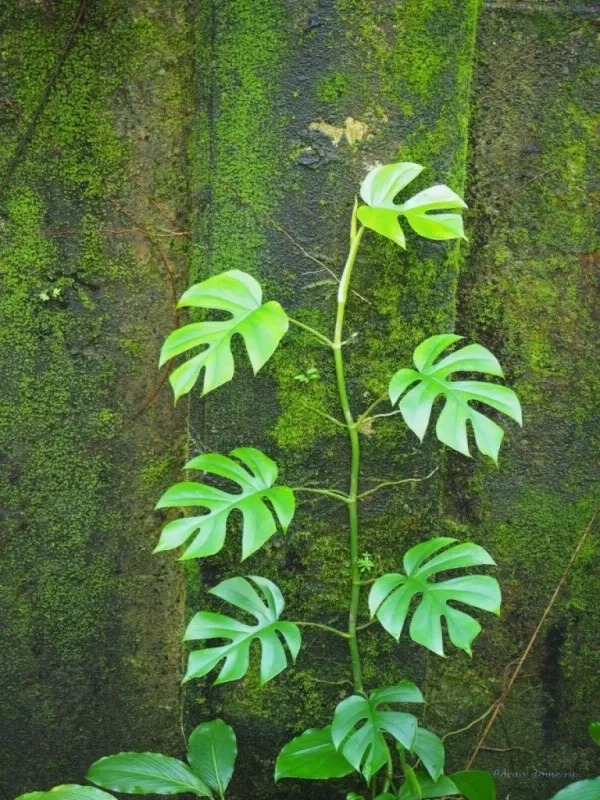
Description
Growing requirements
Rhaphidophora tetrasperma is an evergreen tropical vine belonging to the Araceae family. Native to the forests of Thailand and Malaysia, this plant is widely appreciated for its deeply split leaves, often leading to it being misidentified as a small Monstera species.
The plant thrives in bright, indirect light conditions. While it can adapt to lower light, its growth rate and leaf variegation or split patterns are most pronounced when it receives adequate diffuse sunlight, avoiding the scorching effects of direct midday rays.
Soil requirements focus on high aeration and drainage. A mixture composed of peat moss, pine bark, perlite, and coconut coir is ideal. This substrate ensures that oxygen reaches the root zone while preventing the accumulation of excess water that could lead to hypoxia.
Optimal growth temperatures for this species range from +18 to +28 degrees Celsius. As a tropical native, it requires a humid environment, ideally above 60% humidity. Using pebble trays or room humidifiers is essential in temperate climates during heating seasons.
Watering should be performed when the top third of the potting mix becomes dry to the touch. Consistent moisture is beneficial, but the plant must never sit in water-logged soil, which is the primary cause of root health decline in domestic environments.
Main diseases and pests
Spider mites are the most common pests affecting Rhaphidophora tetrasperma, particularly in dry indoor conditions. They cause yellow stippling on the leaves and can create fine webbing if the infestation is allowed to spread unchecked.
Mealybugs and scale insects may also infest the plant, clustering around the nodes and stems. These pests weaken the plant by feeding on its sap, which often leads to deformed or yellowing foliage if not treated promptly with insecticidal soap or neem oil.
Root rot is the most significant disease threat, typically caused by overwatering or poor drainage systems. Signs of rot include mushy black stems and a general wilting of the plant even when the soil appears moist to the touch.
Maintaining cleanliness by wiping leaves regularly helps prevent pest buildup and allows for early detection of potential threats. Additionally, isolating new plants before introducing them to your collection prevents the spread of hidden parasites.
Good air circulation is vital to discourage both fungal growth and pest infestations. A healthy plant with well-supported aerial roots on a moss pole is significantly more resilient to environmental stress and disease than a plant left trailing without support.