
Standley's Monstera
Monstera standleyana
Description
Growing requirements
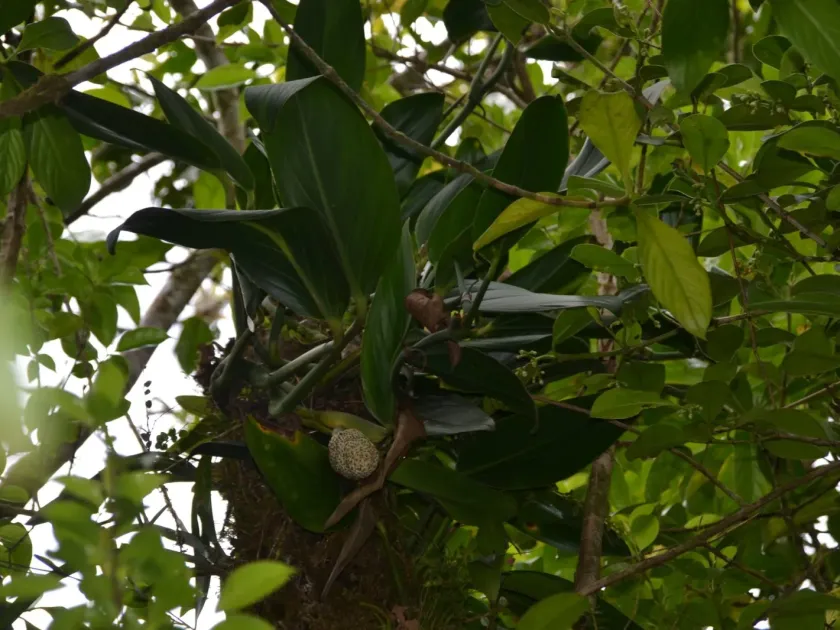
Monstera standleyana is a member of the Araceae family, native to the tropical rainforests of Central America, specifically Panama and Costa Rica. It is a climbing epiphytic vine prized by enthusiasts for its variegated foliage and unique growth pattern.
The plant thrives in bright, indirect light. While it can tolerate lower light levels, bright light is essential to maintain the characteristic white or cream-colored variegation on its lanceolate leaves and ensure healthy, compact development.
The ideal temperature for this crop ranges between 20°C and 26°C. It is a heat-loving plant that does not tolerate cold drafts or sudden temperature fluctuations, which can lead to stress, leaf browning, or stunted growth cycles.
A well-draining, aerated soil mixture is crucial for the health of the root system. A blend consisting of peat moss, pine bark, perlite, and charcoal is highly recommended to provide the necessary structure and drainage for an epiphytic species.
Watering requirements include keeping the substrate consistently moist but never waterlogged. Providing high humidity is essential; therefore, regular misting or the use of humidifiers is recommended, especially in controlled indoor environments.
Main diseases and pests
The most common pests affecting Monstera standleyana are spider mites, which typically target the undersides of the leaves during periods of low indoor humidity, and scale insects that can attach to stems and veins.
Mealybugs represent another significant threat, often colonizing the crevices of the plant where they extract sap, leading to weakened growth and the potential for secondary fungal infections.
Root rot, primarily caused by excessive soil moisture and poor drainage, is a lethal condition characterized by the darkening and softening of roots, eventually affecting the entire vascular system of the vine.
Fungal leaf spot diseases may appear if the environmental conditions are too humid with poor air circulation, causing irregular brown spots with yellowish halos on the foliage surfaces.
Integrated pest management, including physical removal of pests, washing foliage regularly, and applying appropriate horticultural oils or systemic insecticides, is necessary to keep the plant in optimal health.