
Nephthytis
Nephthytis
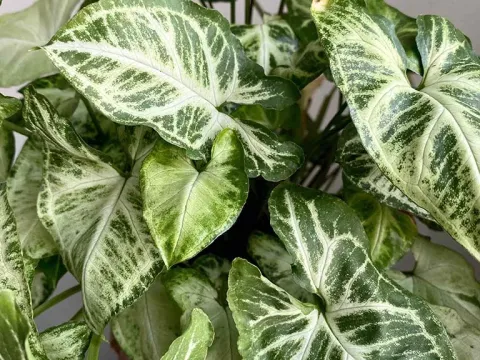
Nephthytis, commonly identified in modern horticulture as Syngonium, belongs to the Araceae family. This genus originates from the tropical rainforests of Central and South America, where it thrives as an epiphyte climbing along trees.
What the section contains

Nephthytis
The culture requires a stable temperature profile, ideally between 18°C and 25°C. Exposure to sudden drops or cold drafts can cause significant physiological stress, often manifesting as leaf chlorosis or premature wilting.
Soil requirements for optimal development include a porous, well-aerated medium. A mixture based on peat, perlite, and pine bark is recommended to mimic the natural forest floor and ensure the drainage necessary to prevent root suffocation.
Lighting should be bright but indirect. While these plants are known for their shade tolerance, excessive darkness results in the loss of distinct variegation patterns, while direct sun exposure causes severe tissue burns.
Watering practices should be consistent, ensuring the substrate remains moist but never waterlogged. During the active growing season, high humidity is essential; regular misting or mechanical humidification is encouraged to maintain turgor pressure.
The most prevalent pests affecting the culture include spider mites, which thrive in low-humidity environments. These mites feed on leaf sap, leading to stunted growth and eventual leaf drop if left untreated.
Mealybugs and scale insects also pose a threat by colonizing the leaf axils. Effective management involves physical removal and the application of horticultural oils or systemic insecticides compatible with Araceae species.
Fungal pathogens such as Rhizoctonia or Pythium are common when the substrate remains overly saturated for extended periods. These diseases target the root system, causing rapid decline and plant collapse.
Effective control measures include improving ventilation within the canopy and implementing a strict fertilization schedule to strengthen the plant's natural immune system against opportunistic infections.
Regular sanitation of the growing environment is critical. Removing decaying leaves and isolating newly introduced plants helps to prevent the spread of diseases and pests within the collection or greenhouse facility.