
Monstera lechleriana
Monstera lechleriana
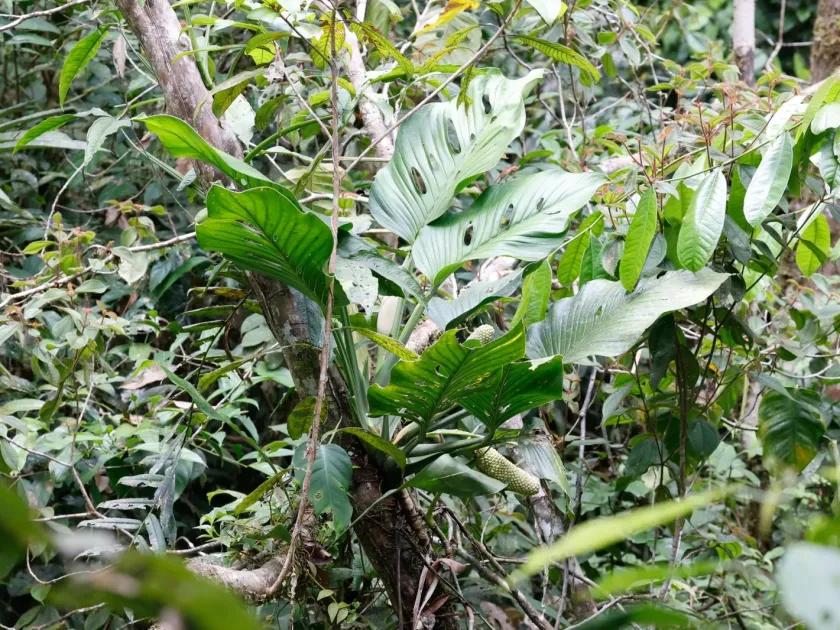
Description
Growing requirements
Monstera lechleriana is a perennial evergreen vine belonging to the Araceae family. This species originates from the tropical rainforests of Central and South America, where it thrives in shaded, humid conditions.
This crop requires bright, indirect sunlight to maintain its vibrant leaf pattern and growth rate. Exposure to direct sun should be avoided to prevent leaf scorch, while ambient temperatures should ideally remain between +20°C and +25°C throughout the year.
The substrate must be well-draining, loose, and aerated, simulating the natural forest floor. A mixture of peat moss, pine bark, perlite, and potting soil provides the necessary structure and nutrient balance for healthy root development.
Watering should be balanced, allowing the top inch of the soil to dry out between sessions to prevent waterlogging. Consistent high humidity is essential, which can be achieved through regular misting or using a dedicated room humidifier.
In terms of economic utility, this plant is primarily used as an ornamental crop for interior landscaping and botanical exhibitions due to its large, attractive foliage and elegant climbing habit.
Main diseases and pests
Common pests that infest Monstera lechleriana include spider mites, scale insects, and mealybugs, which thrive in low-humidity indoor environments where the plant is often kept.
Root rot is the most prevalent pathological threat, usually caused by overwatering or poor drainage systems within the planting container, leading to anaerobic conditions in the root zone.
Prevention relies on frequent inspections of the foliage, especially the undersides of leaves, to identify early signs of infestations before they escalate into full-scale outbreaks.
When disease or pest damage is confirmed, infected parts should be surgically removed, followed by the application of organic or chemical pesticides suitable for indoor houseplant use.
Maintaining optimal cultural conditions, including effective drainage and proper spacing to allow air circulation, is the most successful strategy to ensure long-term plant health.