
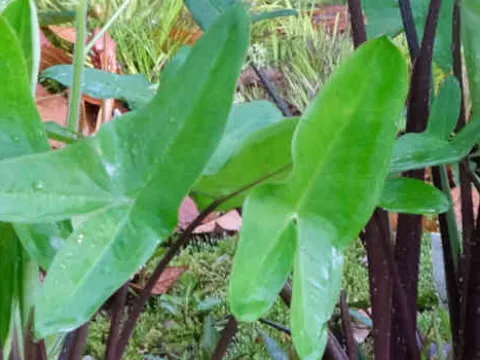
Peltandra
Peltandra
Sowing of Peltandra seeds is typically performed in early spring, once the soil has warmed sufficiently to support germination.
What the section contains


Peltandra
The seeds should be sown in a moist substrate, ideally mimicking the natural boggy conditions they inhabit in the wild.
If starting indoors, it is recommended to sow seeds in late winter to ensure a longer growing season for the developing seedlings.
A sowing depth of approximately 1 to 2 centimeters is optimal, ensuring that the seeds remain hydrated throughout the process.
Once seedlings emerge, they should be kept in a high-humidity environment until they are robust enough for transplantation into their final aquatic or wet soil habitat.
Peltandra is a member of the Araceae family and thrives in specialized habitats such as wetlands, swamps, and along the margins of ponds.
The plant requires consistently wet, nutrient-rich, organic-heavy soil to achieve optimal growth and vegetative spread.
In terms of light, Peltandra adapts well to both full sun and partial shade, making it a flexible choice for various wetland landscapes.
It prefers a neutral to slightly acidic pH level, which allows for efficient nutrient uptake from the muddy substrates of its environment.
Winter hardiness is a notable trait, as the plant is adapted to survive cold dormancy in its native North American climate zones.
While naturally resilient in its native range, Peltandra can encounter challenges when grown under intensive or confined conditions.
Root rot remains the most significant risk, particularly if water circulation is insufficient or if stagnant water conditions become overly anaerobic.
Fungal leaf spots can occur in environments with poor air circulation or consistently excessive atmospheric humidity during the peak of summer.
Slugs and snails are the primary pests that damage the large, succulent leaves of the plant, often leading to unsightly defoliation.
Maintaining a balanced ecosystem within the aquatic environment and removing decaying organic matter are the best preventative measures for these threats.
The harvest of Peltandra focuses on its starchy rhizomes, which were traditionally collected for their carbohydrate content.
Harvesting typically occurs in the late autumn, once the foliage has withered, signaling that the plant has stored energy in its roots.
Excavation of the rhizomes from the saturated soil requires careful manual labor to prevent damage to the storage organs.
Post-harvest, the material must be washed thoroughly to remove silt and then dried or processed to prepare it for further use.
Processing must include cooking or leaching to break down calcium oxalate crystals, ensuring that the harvested material is safe for consumption or further industrial use.