
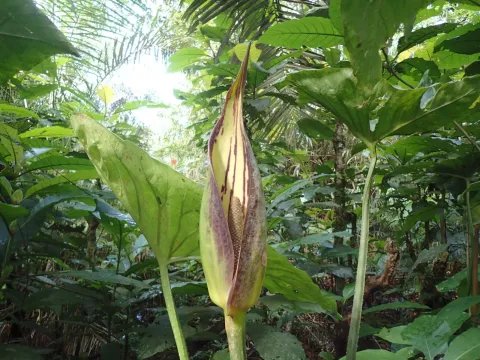
Lasimorpha
Lasimorpha
Sowing Lasimorpha requires strict adherence to temperature regimes, as the crop is highly sensitive to early frost. The optimal time for planting seeds in open ground is when the soil warms up to 15-18 degrees Celsius.
What the section contains

Lasimorpha
In regions with moderate climates, the transplanting method is preferred, which helps to shorten the vegetative period significantly. Seeds are sown in containers 4-6 weeks before the planned transfer to the permanent site.
The sowing depth should not exceed 1-2 centimeters to ensure uniform germination. The recommended planting density varies depending on the purpose of cultivation and is approximately 4-6 plants per square meter.
Proper soil preparation, including clearing weeds and ensuring good aeration, is crucial for successful establishment. Before sowing, the soil should be moistened, maintaining a stable moisture level until the emergence of true leaves.
After germination, thinning is necessary to prevent overcrowding and competition among plants. This practice promotes better root development and ensures the formation of a robust aerial part of the plant.
Lasimorpha prefers well-lit areas protected from strong winds that could damage delicate stems. High-intensity light is a critical factor for the accumulation of biomass throughout the growing season.
The crop has moderate soil requirements, but best development is observed in light loams or sandy loam soils with a neutral pH. Good drainage is essential, as waterlogging is detrimental to the roots.
Agronomic management includes regular fertilization with complex fertilizers, emphasizing nitrogen in the early stages. During active growth, a balanced supply of potassium and phosphorus is needed to improve plant immunity.
As a member of the Araceae family, the plant is quite demanding regarding atmospheric humidity. During dry periods, drip irrigation is mandatory to maintain leaf turgor and overall plant health.
Monitoring soil pH levels helps prevent micronutrient deficiencies that could stunt growth. Annual incorporation of organic matter, such as compost or well-rotted manure, is recommended to improve the soil structure.
The yield of Lasimorpha depends heavily on environmental conditions and the precise implementation of agronomic practices throughout the season. Under intensive care, high biomass productivity can be achieved.
The biological potential of the crop is limited by its specific tropical root characteristics, so maximum performance is only achieved under stable microclimate conditions. Consistent biomass growth is a key indicator of plant health.
To maximize yields, mulching is used to retain soil moisture and suppress weed development. This allows the plant to focus its resources on developing its primary storage organs.
Yield evaluation is conducted upon reaching full biological maturity, assessing the quantity and quality of the harvested produce. Marketable appearance is a primary criterion for successful production.
Yield variations can occur based on the selection of specific cultivars and their genetic potential. Selecting high-quality genetic material is the foundation for achieving commercial success with this crop.
The primary pests affecting Lasimorpha include spider mites and aphids, which thrive when moisture levels are inconsistent. Proactive inspections of the underside of leaves are essential for early detection.
Fungal diseases, such as root rot, often result from overwatering and poor air circulation around the plants. Upon observing signs of decay, it is necessary to adjust the watering schedule and apply fungicides.
Viral infections can pose a serious threat, manifesting as leaf mosaic patterns and stem deformation. Infected plants must be removed immediately from the site to prevent the spread of the disease to healthy specimens.
In open ground conditions, plants may suffer from slug and snail damage, which affects the leaf blades. Control measures include using mechanical barriers and maintaining clean inter-row spaces.
Adhering to strict crop rotation practices is essential to prevent the buildup of pathogens in the soil. It is not recommended to plant Lasimorpha in the same spot more frequently than once every three years.
Harvesting Lasimorpha should be scheduled for the period of maximum nutrient accumulation, determined by the external condition of the plant. A sharp tool should be used for a clean cut to avoid damaging the rhizome.
The harvest should take place during dry weather to prevent decay during subsequent storage. Once gathered, the produce must be cleaned of any dirt and soil remnants to ensure quality.
Post-harvest sorting is crucial for separating high-quality produce from those with signs of damage or disease. Careful sorting significantly extends the shelf life of the harvested crop.
Storage should occur in a cool, well-ventilated room with controlled humidity levels. Avoiding direct sunlight is essential to preserve the biological and nutritional value of the harvest.
Transportation methods must be designed to avoid bruising or crushing the delicate tissues of the plant. Using specialized packaging is recommended to ensure safe delivery of the product to the consumer.