
Monstera acuminata
Monstera acuminata
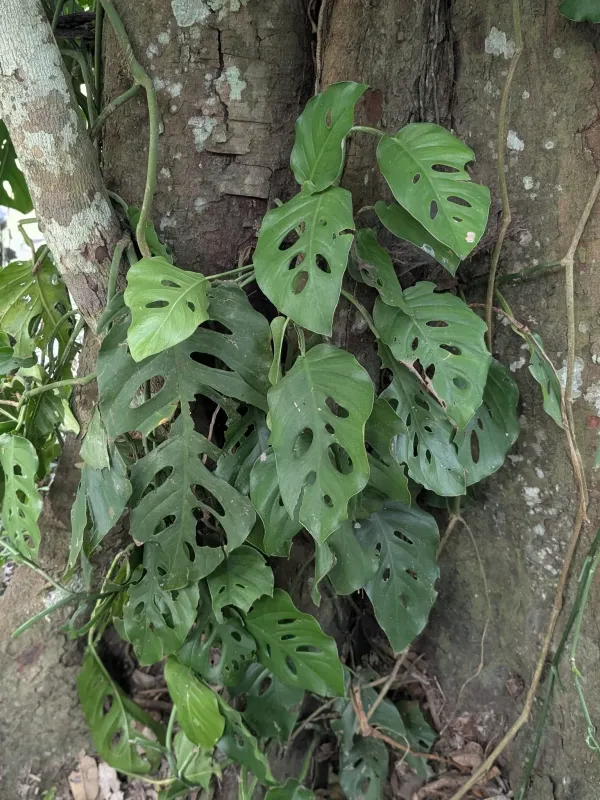
Description
Growing requirements
Monstera acuminata belongs to the Araceae family and is a tropical evergreen climber native to the rainforests of Central America and Mexico. In its natural habitat, it utilizes its climbing habit to ascend trees, developing characteristic perforations in its leaves as it matures.
This species requires a warm climate with temperatures consistently maintained between 20°C and 28°C. It is highly sensitive to cold shocks; exposure to temperatures below 15°C for extended periods will typically result in physiological distress and leaf damage.
High relative humidity, ideally above 65%, is essential for the healthy growth of this plant. Providing a humid microclimate promotes the development of strong aerial roots, which help the vine anchor itself and absorb supplemental moisture from the atmosphere.
The substrate must be exceptionally well-draining, mimicking the forest floor detritus. A mix containing coarse orchid bark, perlite, and high-quality peat moss is recommended to ensure that oxygen reaches the roots while maintaining adequate hydration levels.
Bright, indirect light is necessary for this culture to thrive. While it can survive in lower light, excessive shade will cause the plant to become leggy and inhibit the development of the iconic foliage fenestrations that define its aesthetic and biological maturity.
Main diseases and pests
Spider mites are the most prevalent threat, particularly in environments where humidity is poorly managed. These pests thrive in dry air and can quickly colonize the undersides of leaves, causing stippling and eventual leaf drop if left untreated.
Scale insects frequently target the stems and leaf axils, hiding beneath protective shells. Effective management involves physical removal followed by the application of systemic horticultural oils or soaps to interrupt their reproductive cycles.
Root rot is the most common pathology, usually caused by over-irrigation or inadequate drainage. Pathogens like Pythium and Phytophthora can decimate the root system quickly; prevention requires strict adherence to letting the top layer of the substrate dry out between waterings.
Mealybugs are another potential nuisance, identified by their white, cotton-like appearance. Early detection through regular inspections is key to keeping the infestation localized and preventing spread to other nearby cultivated plants.
To maintain a robust culture, ensure proper air circulation to mitigate fungal spore germination. If chemical treatment is necessary, always perform a patch test on a small area of the plant to avoid phytotoxicity from concentrated compounds.