
Monstera dubia
Monstera dubia
Description
Growing requirements
Monstera dubia is a highly sought-after species of flowering plant within the Araceae family, native to the rainforests of Central and South America.
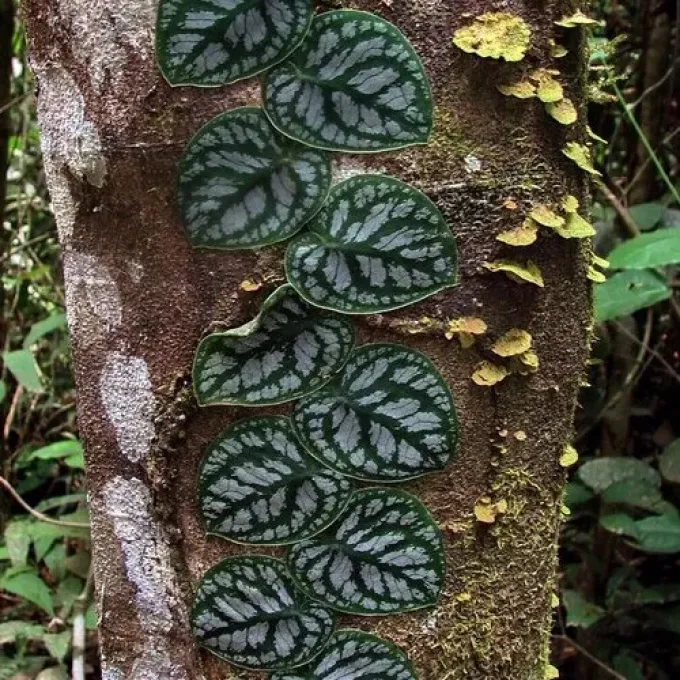
The plant is famously known as a shingle plant, characterized by its juvenile phase where heart-shaped, variegated leaves grow flat against a vertical support surface.
In a cultivation environment, it requires bright, indirect sunlight, as exposure to harsh afternoon sun can lead to chlorophyll degradation and leaf scorching.
The substrate must be a porous, well-draining potting mix, typically composed of peat, perlite, and pine bark to mimic the epiphyte-friendly forest floor.
Optimal growth is achieved in temperatures ranging between 20°C and 28°C, with high ambient humidity being essential for maintaining the plant's structural integrity.
Main diseases and pests
Common pests affecting Monstera dubia include spider mites, thrips, and mealybugs, which thrive in environments where humidity levels are inadequately maintained.
Root rot, driven by excessive moisture and poor soil oxygenation, remains the most significant threat to the longevity of the plant's root system.
Management strategies involve rigorous sanitation practices, including the removal of infested leaves and the application of horticultural oils or systemic insecticides.
Monitoring the soil pH is equally important, as nutrient lockout caused by extreme acidity or alkalinity can weaken the plant and make it susceptible to pathogens.
Regular repotting into fresh medium prevents the accumulation of salts and ensures that the root system has sufficient space for healthy respiration and nutrient uptake.