
Monstera hybrids
Monstera hybrids
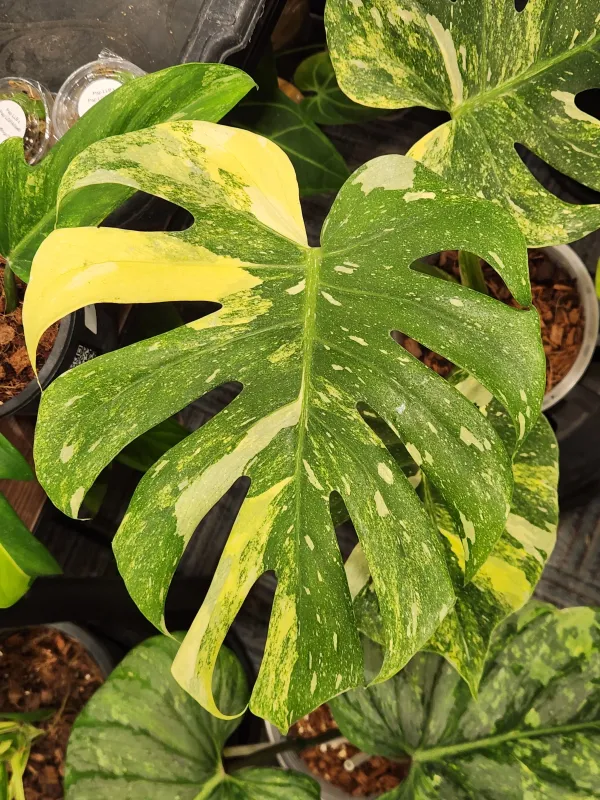
Description
Growing requirements
Monstera hybrids belong to the Araceae family and are highly valued for their unique foliage characteristics, which often include dramatic fenestrations or vibrant variegated patterns. These plants result from selective breeding programs designed to enhance their aesthetic appeal and vigor in indoor environments.
Optimal growth is achieved when the plants are maintained in temperatures between 20°C and 25°C. As tropical epiphytes by nature, they are highly sensitive to thermal stress, so keeping them away from direct airflow from air conditioners or heating vents is essential for their structural integrity.
A high-quality, airy substrate is fundamental for Monstera cultivation. A mix consisting of orchid bark, high-quality peat, perlite, and a small amount of charcoal is highly recommended to ensure adequate aeration and prevent the root suffocation that often occurs in compacted soils.
Light intensity is the primary driver of development for these hybrids. While they are resilient in lower light conditions, consistent access to bright, filtered light is necessary to maintain the structural pattern of the leaves and ensure that the plant develops the iconic split-leaf morphology.
Proper water management relies on the cycle of wet and dry periods. Watering should be applied thoroughly until water runs out of the drainage holes, but the substrate must be allowed to dry out slightly before the next irrigation to prevent anaerobic conditions in the root zone.
Main diseases and pests
Spider mites are a common threat, particularly in environments with humidity below 50%. These pests feed on the underside of the leaves, causing a stippled appearance and eventual leaf senescence if not treated with appropriate acaricides or consistent humidity management.
Thrips are particularly challenging for Monstera hybrids as they cause scarring and distorted growth on new, unfurling leaves. Integrated pest management, including sticky traps and systemic insecticides, is required to manage and eradicate these mobile pests.
Mealybugs are frequently found hiding in the leaf axils, where they feed on the phloem sap. These pests can be managed by manual removal using alcohol-soaked cotton swabs, followed by the application of horticultural oils or systemic insecticidal treatments.
Root rot, primarily caused by Pythium or Phytophthora species, remains the most significant physiological disorder. It occurs due to waterlogging, which compromises root health and provides an ideal environment for pathogenic fungi to proliferate.
Fungal leaf spot pathogens can occur when leaf surfaces remain moist for extended periods in environments with poor circulation. Ensuring vertical airflow and maintaining dry leaves overnight significantly reduces the risk of these common infections in greenhouse or home settings.