
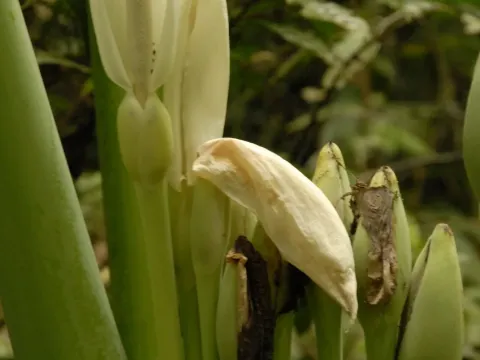
Leucocasia
Leucocasia Schott
Leucocasia (Latin: Leucocasia Schott) is a genus of perennial herbaceous plants belonging to the Araceae family. Often associated with colocasia and alocasia, these plants are essential agricultural crops in various tropical regions of Southeast Asia.
What the section contains

Leucocasia
The plant is native to hot and humid tropical climates. For successful agricultural production, it requires stable ambient temperatures ranging between +22 and +30 degrees Celsius. Exposure to frost or prolonged cold temperatures is detrimental to the plant's development.
Soil requirements focus on fertility and high moisture retention capacity. The plant thrives in organic-rich soils with consistent access to water, making it suitable for areas with high water tables or well-managed irrigation systems.
Lighting conditions are critical for plant health. Leucocasia prefers bright, indirect light or partial shade. Exposure to intense direct sunlight can lead to leaf scorching, which drastically reduces the photosynthetic surface area and stunts growth.
Cultivation practices involve mulching to preserve soil moisture and improve soil structure over time. Regular application of nitrogen-rich fertilizers is often employed to maximize leaf mass production, which is a key economic indicator for this crop.
The primary economic use of Leucocasia involves the consumption of its fleshy petioles and starchy rhizomes. These plant parts serve as a staple source of carbohydrates for local populations in its native growing areas.
Culinary processing is mandatory for all edible parts of the plant. Proper cooking techniques are used to neutralize calcium oxalate crystals, which otherwise cause irritation to the digestive tract and mucous membranes.
Crop yield is determined by the intensity of agricultural management, including soil nutrient levels and irrigation schedules. When managed effectively, the plant produces substantial biomass that can be harvested throughout the growing season.
Current agricultural interest focuses on optimizing harvesting intervals to balance plant longevity with maximum weight gain of the rhizomes. Advances in field management have improved consistency in production volumes.
In addition to food, the plant is valued for its rapid growth rate, making it a reliable crop for local food security in its endemic regions. Efforts are ongoing to standardize varieties for better quality control in the food industry.
The primary threats to Leucocasia crops include fungal diseases such as anthracnose and various types of root rot. These issues are most prevalent in environments characterized by poor air circulation and excessive moisture.
Pests such as spider mites and mealybugs present significant challenges. These insects thrive in warm, sheltered environments and can rapidly colonize leaf undersides, leading to weakened plant vigor and yield losses.
Integrated pest management (IPM) is the recommended approach to minimize crop damage. This includes the strategic use of biological controls, systemic insecticides, and maintaining proper plant spacing to allow for adequate ventilation.
Bacterial pathogens can be particularly damaging to rhizomes in waterlogged soil conditions. Ensuring proper drainage is the most effective preventative measure against soil-borne infections that could destroy entire harvests.
Regular monitoring of field conditions is essential for early detection of stress factors. By addressing pest outbreaks and signs of disease immediately, farmers can significantly improve the success rate of their crops.