
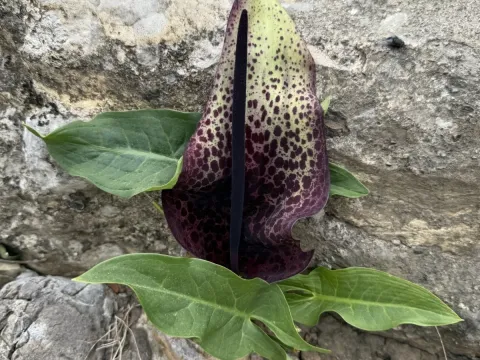
Arum dioscoridis
Arum dioscoridis
Planting of Arum dioscoridis tubers is primarily conducted during the autumn period when the plant is in a state of dormancy. The planting depth should range from 10 to 15 centimeters, depending on the size of the tuber and the soil structure.
What the section contains
Arum dioscoridis
When propagating by seeds, it is recommended to sow them in late autumn directly into open ground or a greenhouse. Seeds require stratification to germinate successfully; therefore, they should be sown in prepared substrate immediately after collection.
An essential factor during planting is ensuring adequate drainage at the bottom of the planting hole. This measure prevents the rotting of tubers during the winter season when soil moisture levels are typically higher.
Maintain a spacing of at least 30-40 centimeters between individual plants. This distance is necessary for the proper development of the large decorative leaves and the formation of characteristic spathes.
It is recommended to transplant Arum no more than once every 3 to 5 years, as the plant reacts poorly to frequent disturbance of its root system.
Arum dioscoridis belongs to the Araceae family and is native to the Eastern Mediterranean region. In its natural habitat, it grows on rocky slopes, in thickets, and in woodland areas.
The plant prefers well-drained, fertile soils with a neutral or slightly alkaline pH. Heavy clay soils require the addition of sand or fine gravel to improve aeration and drainage.
While the culture is shade-tolerant, it develops best in partial shade conditions. In southern regions, direct sunlight can cause leaf scorch, which significantly reduces the plant's aesthetic appeal.
A moderate temperature regime is required for optimal growth. The plant can withstand short-term frosts if covered with a layer of mulch, but it requires reliable protection in regions with harsh winters.
During the growing season, the plant needs moderate but consistent watering. Once the foliage dies back for its summer dormancy period, watering should be stopped completely to prevent tuber decay.
Excessive soil moisture is the primary threat to Arum dioscoridis, often leading to the development of root and tuber rot. To prevent this, avoid waterlogging and apply fungicides at the first sign of disease.
Slugs and snails are frequent pests that damage the young leaves and spathes. Combat these pests using specialized traps or granular molluscicides to protect the foliage.
Aphids can also infest the plant during its active growth phase. If colonies are detected, apply systemic insecticides to manage the population effectively.
Leaf curling and deformity may indicate viral infections transmitted by insects. Any diseased specimens should be removed from the site promptly to prevent the spread of the virus to healthy plants.
Damage to tubers by rodents during the winter is a specific challenge. It is recommended to use wire mesh or protective barriers when planting the tubers in the ground to discourage burrowing pests.
The use of Arum dioscoridis is mainly limited to ornamental gardening and the collections of botanical enthusiasts. Harvesting of tubers should only be performed during the plant's biological dormant phase.
Harvesting the planting material is done after the aerial parts of the plant have completely withered, usually in late summer or early autumn. Dig up the tubers carefully to avoid damaging their skin.
After excavation, clean the soil off the tubers, rinse, and let them dry in a cool, dark, and well-ventilated location. This prevents the development of mold during the storage period.
Storage should be maintained in peat or dry sand at temperatures around +5 to +10 degrees Celsius. It is important to ensure the storage medium does not become overly dry or damp.
The plant contains calcium oxalate crystals and has toxic properties, so all handling, harvesting, and transplanting work must be performed while wearing gloves to avoid skin or mucosal contact with the sap.