
Arisarum
Arisarum
Arisarum is a genus of flowering plants belonging to the Araceae family, characterized by its unique tuberous root system. These plants are primarily native to the Mediterranean region, where they thrive in woodland habitats and shaded, rocky environments.
What the section contains


Arisarum
The cultivation of Arisarum requires a well-drained, humus-rich soil that mimics its natural forest floor habitat. Proper drainage is crucial to prevent the tubers from rotting during the dormant phase or due to excessive rainfall during the growing season.
Climatically, these plants prefer cool to moderate temperatures and high humidity levels without being waterlogged. They are shade-loving perennials and should be protected from harsh, direct sunlight to maintain the integrity of their lush green foliage.
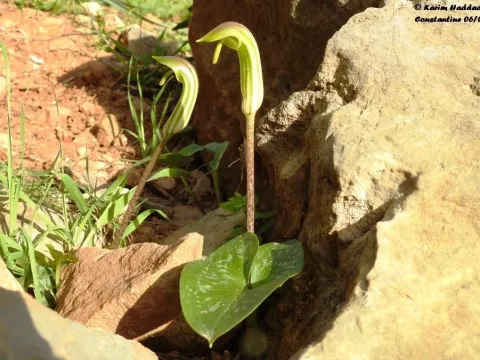
Botanically, the plant is noted for its spadix enclosed in a hooded spathe, which serves as a specialized mechanism to attract pollinators. This visual uniqueness makes it a sought-after species for botanical collections and specialized rock gardens.
Horticulturally, Arisarum is primarily utilized as an ornamental specimen in landscaping. Its ability to grow in low-light conditions makes it a functional choice for shaded border plantings or for greenhouse environments where specialized care can be provided.
The most significant threats to Arisarum health include various fungal pathogens such as Pythium and Phytophthora, which cause root and tuber rot. These diseases are most prevalent in soils with poor aeration or excessive moisture levels.
Common insect pests include spider mites, which can become problematic in dry indoor environments or during periods of drought. These pests compromise the plant's health by feeding on leaf tissues, causing yellowing and premature death of the foliage.
Mollusks, including slugs and snails, represent a persistent challenge, especially during the spring sprouting phase. They tend to graze on emerging tender shoots, potentially stunting the entire season's growth if left unchecked.
To mitigate disease pressure, it is essential to ensure adequate space between plants to allow for proper airflow. If infections occur, applying appropriate fungicides or removing affected tubers is necessary to isolate the contamination.
Integrated pest management, including regular inspection and the use of mechanical barriers for slugs, is recommended for long-term health. Monitoring the soil moisture balance is the most effective cultural practice for preventing both pest outbreaks and root decay.