
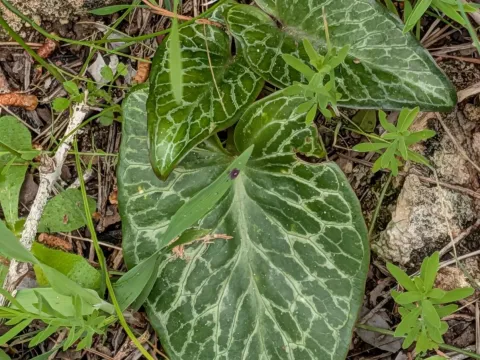
Arum pictum
Arum pictum
Planting tubers of Arum pictum is best performed in the autumn, typically from September to October, allowing roots to establish before winter.
What the section contains
Arum pictum
For vegetative propagation, gardeners should divide the daughter tubers from the parent plant during its summer dormancy period.
The tubers should be planted at a depth of 10 to 15 centimeters, ensuring the soil is loose and friable to encourage healthy development.
Seed sowing should occur immediately after the fruits have fully ripened to ensure maximum viability of the seeds for the following season.
Providing a gravel or sand layer at the bottom of the planting hole is crucial for improving drainage and preventing tuber rot during wet winters.
As a member of the Araceae family, Arum pictum thrives best in partial shade locations, sheltered from harsh winds and intense afternoon sun.
The species requires fertile, well-draining soil with a neutral to slightly alkaline pH to support its vigorous seasonal growth cycle.
Adequate moisture is essential during the active growing periods in spring and autumn, but the plant must avoid waterlogged conditions at all costs.
In colder regions, applying a thick layer of organic mulch in late autumn is necessary to protect the tubers from frost and temperature fluctuations.
It prefers a location where soil moisture is consistent but ensures that drainage is excellent to prevent the succulent tissues from rotting.
The primary concern for Arum pictum is root and tuber rot, which is almost always linked to poor soil drainage and excessive moisture.
Soil-dwelling insects, such as wireworms and white grubs, can feed on the tubers, causing significant damage and weakening the plant's health.
Slugs and snails are notorious for feeding on the foliage, especially during moist spring weather, requiring constant monitoring or physical barriers.
Fungal leaf spot diseases can occur if the plant is grown in areas with poor air circulation or high humidity levels for extended periods.
Nematode infestations can also plague the root system, often leading to stunted growth and requiring strict sanitation and crop rotation measures.
Arum pictum is primarily cultivated for its striking ornamental foliage, making it a valuable addition to woodland gardens and shady borders.
Harvesting or lifting of the tubers should be done during the summer dormancy period when the leaves have yellowed and naturally withered away.
Cleaned tubers should be stored in a cool, dry place packed in sand or vermiculite until they are ready to be replanted in the autumn.
The red seed heads may be harvested once they are fully mature, allowing the seeds to be extracted and sown to expand the garden population.
Gardeners should always handle this plant with gloves, as the calcium oxalate crystals present in its tissues can cause skin and mouth irritation.