
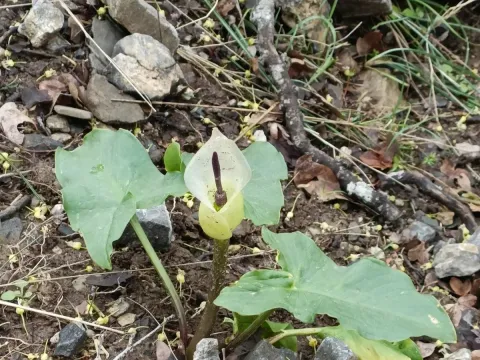
Arum idaeum
Arum idaeum
Arum idaeum is a distinctive tuberous plant belonging to the Araceae family. This species is a rare endemic native to the high-altitude rocky landscapes of Crete, where it has evolved to thrive in specific, nutrient-poor, and highly drained limestone environments.
What the section contains
Arum idaeum
Cultivation of this plant requires a specialized substrate that mimics its natural habitat. The growing medium must be porous and alkaline, ensuring that water drains rapidly away from the tuber to prevent rot, which is a common physiological failure in cultivated Arum specimens.
The climate requirements for Arum idaeum are characterized by a distinct growth season followed by a mandatory summer dormancy. During the dormant period, the tuber must remain completely dry to prevent fungal growth, reflecting the natural arid summer conditions of its mountainous origin.
Agrotechnical management is centered on providing a controlled moisture regime. Watering should be applied strictly during the vegetative growth phase and strictly withheld once the foliage begins to senescence, allowing the tuber to ripen properly for the next cycle.
In horticultural usage, Arum idaeum is primarily valued by collectors and botanic gardens. It is not a commercial crop in the agricultural sense, but its genetic uniqueness and adaptation to extreme alpine conditions make it an object of study for plant conservationists and botanists.
Root and tuber rot are the primary threats to the cultivation of Arum idaeum, usually triggered by waterlogging and poor aeration of the soil. Once a fungal infection establishes itself in the tuber, the plant often cannot be recovered.
Common pests include spider mites, which can flourish in the dry environments required during the plant's dormancy or if the ambient humidity is too low. Aphids and mealybugs can also infest the developing foliage, causing stunted growth and leaf deformation.
Effective management involves maintaining high air circulation and using sterile, mineral-based growing media to reduce the risk of pathogen transmission. Regular monitoring for early signs of infestation allows for rapid intervention before pests can damage the fragile tuber.
Chemical control should be approached with caution due to the potential sensitivity of Arum species to concentrated pesticides. Integrated pest management strategies, focusing on environmental control and biological prevention, are preferred for maintaining healthy specimens.
Sustainable propagation and the preservation of pure genetic lines are essential, as this species is vulnerable in the wild. Proper agrotechnical practice focuses on minimizing stress to the plant and ensuring the environmental cycle is as close to the natural Cretan climate as possible.