
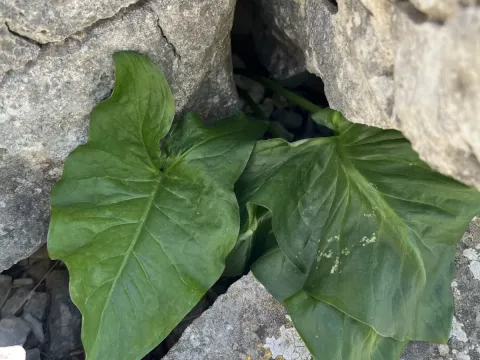
Arum nigrum
Arum nigrum
Arum nigrum is a tuberous perennial belonging to the Araceae family, known for its distinctive dark spathe. Cultivation primarily begins with planting dormant tubers in late winter or early spring.
What the section contains
Arum nigrum
The tubers should be planted at a depth of 10 to 15 centimeters. It is crucial to ensure that the soil temperature has reached a consistent level, usually above 10 degrees Celsius, to prevent tuber rot.
Propagation through seeds is possible but requires a long stratification period in moist, cool conditions. Germination can take several months, and seedlings may require two to three years of care before they reach maturity.
Planting spacing is vital to allow proper air circulation. A distance of approximately 40 centimeters between plants prevents the development of moisture-related diseases during the peak growing season.
The plant goes through a period of dormancy in late summer and autumn when the foliage yellows and dies back, signaling that the plant is storing energy in the tuber for the next cycle.
This species thrives in partial shade or dappled light. Intense direct sunlight should be avoided as it causes yellowing and scorch marks on the large, attractive foliage of the plant.
The ideal soil is rich in organic matter, well-draining, and slightly moist. Adding well-rotted compost or leaf mold at the time of planting provides the necessary nutrients for robust growth.
Water management is critical. During the spring growth spurt, the soil must be kept consistently moist. However, once the foliage begins to decline in the summer, watering should be significantly reduced.
In colder regions, it is recommended to provide a protective layer of mulch, such as straw or pine needles, to insulate the soil from extreme winter frost and prevent the tubers from freezing.
Regular application of balanced fertilizers during the early vegetative phase helps in maximizing the size of the leaves and the strength of the flower spathe, contributing to the plant's health.
Slugs and snails are the primary pests of Arum nigrum. They are especially attracted to the young, emerging shoots in early spring and can cause significant damage to the plant's aesthetic value.
Root rot is a common issue caused by overly saturated soil or poor drainage. Once the tuber is infected, recovery is rare, making proper soil preparation and drainage essential.
Aphids can colonize the inflorescence and the undersides of leaves. Early intervention with insecticidal soaps or neem oil is recommended to prevent the spread of these insects.
Fungal infections, such as Botrytis, can occur during prolonged periods of high humidity and cool weather, leading to spotting on leaves and stems.
Maintaining a clean garden bed by removing old, decaying organic material helps prevent the buildup of pathogens that could negatively affect the growth of the tubers.