
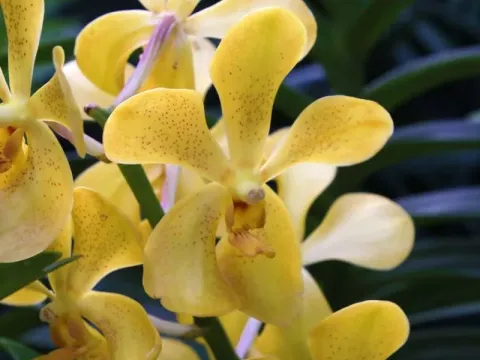
Aranda
x Aranda Hort.
Aranda is an intergeneric hybrid orchid resulting from the crossbreeding of the genera Arachnis and Vanda. Belonging to the Orchidaceae family, this plant is categorized as a monopodial tropical epiphyte.
What the section contains
Aranda
The culture originates from the tropical regions of Southeast Asia. Due to its genetic background, it thrives in environments that mimic high humidity and constant warm temperatures found in its native habitat.
Light requirements for Aranda are high; the plant requires bright, filtered sunlight to stimulate flowering. In commercial settings, shade cloth is used to prevent leaf burn while ensuring enough intensity for bud initiation.
Temperature management is critical for this species, with an ideal range between +22 and +30 degrees Celsius. Maintaining consistent temperatures prevents physiological stress, which can lead to flower drop or stunted vegetative growth.
Being an epiphyte, Aranda does not grow in standard soil. It is cultivated in hanging baskets or on wooden rafts using coarse materials like pine bark or charcoal, which allow for rapid drainage and optimal root aeration.
The primary agricultural use of Aranda is for the cut-flower market. Its blooms are prized for their rigid texture, striking colors, and long vase life, making them a preferred choice for high-end tropical floral arrangements.
Productivity is measured by the frequency and quality of flower stalks produced throughout the year. With intensive greenhouse management, professional growers maximize the harvest potential by controlling the light-dark cycles and nutrient supply.
Pest management is a routine aspect of Aranda cultivation. Scale insects and mealybugs are the most common threats, often hiding in the leaf axils. Persistent monitoring and the use of systemic insecticides are standard control protocols.
Spider mites are frequently encountered during periods of low humidity or poor airflow. Maintaining adequate ventilation and regular misting are effective preventative measures against mite infestations.
Fungal pathogens, particularly those causing root and stem rots, often stem from poor drainage or contaminated water. Growers focus on maintaining high hygiene standards, using sterile equipment and fungicides to prevent the spread of soil-borne pathogens.