
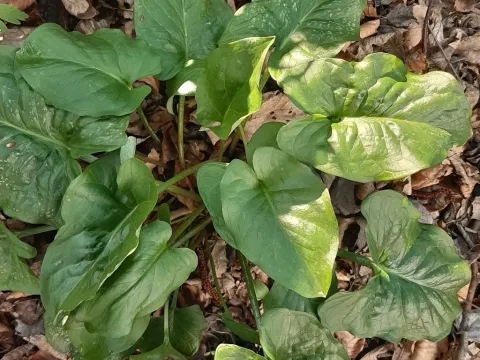
Arum
Arum
Propagation of Arum in agricultural or nursery settings is primarily achieved through the division of tubers during their dormant period to ensure high viability.
What the section contains
Arum
Tubers should be planted in early spring or autumn, depending on the climate zone, into well-warmed soil to facilitate rapid root establishment.
Seed-based propagation is a slower process that requires pre-sowing stratification to overcome seed dormancy and achieve a consistent germination rate.
The planting depth is typically set at 10 to 15 centimeters to protect the developing buds from surface temperature fluctuations and environmental stress.
Proper spacing is crucial; plants should be spaced at least 30–40 centimeters apart to prevent overcrowding and ensure adequate airflow around the foliage.
As a member of the Araceae family, Arum thrives in partially shaded environments that mimic its natural woodland or shrubland habitats.
The soil must be rich in organic matter, loose, and possess excellent drainage capabilities, as waterlogged conditions often lead to tuber rot.
Consistent moisture is required during the growing season; however, excessive irrigation should be avoided to maintain the plant's health and vigor.
Arum prefers neutral to slightly alkaline soil types, which can be achieved through regular organic amendments like compost or well-rotted leaf mold.
In regions with harsh winters, providing a layer of mulch is essential to protect the tubers from frost and ensure they successfully overwinter.
Fungal diseases, particularly those affecting the root system, are the most significant threats to Arum, usually triggered by poor drainage or high humidity.
Slugs and snails are the most common pests, as they consume the succulent leaves of the Arum, causing substantial aesthetic and structural damage.
In greenhouses, infestations of spider mites can become problematic, requiring careful monitoring and integrated pest management strategies to control.
Proactive prevention involves maintaining a weed-free environment and ensuring good air circulation around the plants to reduce fungal spore development.
Because Arum contains calcium oxalate crystals, it is toxic to pets and livestock, necessitating careful placement away from animal-accessible areas.
The harvest of tubers should be executed only after the foliage has fully withered and entered dormancy, ensuring maximum nutrient storage in the tuber.
While often grown for ornamental purposes, some species are collected for pharmacological research or specialized horticultural trade requirements.
Workers must wear protective equipment when handling the plants, as the sap is a potent skin irritant and can cause significant discomfort upon contact.
Post-harvest cleaning involves removing soil residues and drying the tubers in a cool, shaded environment with constant airflow to prevent rotting.
Stored tubers should be kept in a dry, dark, and cool location until they are ready to be replanted or used for further propagation efforts.