
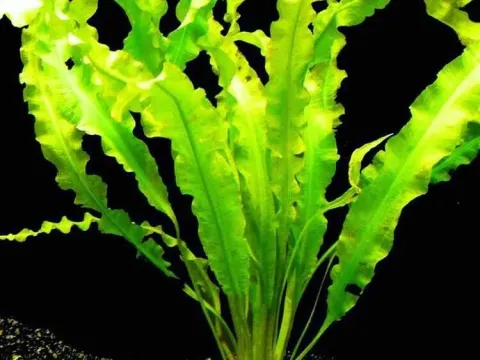
Aponogeton echinatum
Aponogeton echinatum
Aponogeton echinatum is a specialized aquatic plant species belonging to the Aponogetonaceae family. This species is endemic to the island of Sri Lanka, typically thriving in clean, flowing streams and riverbeds where it forms dense submerged colonies within the tropical climate zone.
What the section contains
Aponogeton echinatum
The botanical structure of this plant consists of a distinct tuberous rhizome which acts as a storage organ. It produces elegant, lance-shaped leaves that often exhibit a textured surface. This unique morphology makes it a sought-after subject for dedicated aquarium hobbyists and botanical researchers.
Regarding climate and water conditions, the species demands high-quality, clean water with a temperature range between 22°C and 26°C. It prefers soft to medium-hard water parameters, as extreme alkalinity can negatively influence the development of the leaf structure and overall vitality.
Soil requirements involve a nutrient-rich, fine-grained substrate that allows for deep root penetration. Regular nutrient supplementation is necessary during the active growth season. Adequate water circulation around the root zone is crucial for preventing nutrient lockout and ensuring healthy plant growth.
In terms of agricultural and horticultural use, Aponogeton echinatum serves primarily as a decorative element in professional aquascaping. It is valued for its ability to provide structural contrast in an underwater landscape, acting as a focal point within the middle or background of an aquatic layout.
Common threats to the health of this species include fungal infections of the tuber, which are often caused by poor water circulation or the accumulation of organic waste in the substrate. Signs of distress include necrotic spots on leaves and systemic chlorosis.
Pest threats are generally minimal in controlled aquatic environments, although herbivorous snails can cause significant damage to the delicate foliage. Integrated pest management, focusing on physical removal and water quality stabilization, is the standard approach for maintaining plant health.