
Arum cylindraceum
Arum cylindraceum
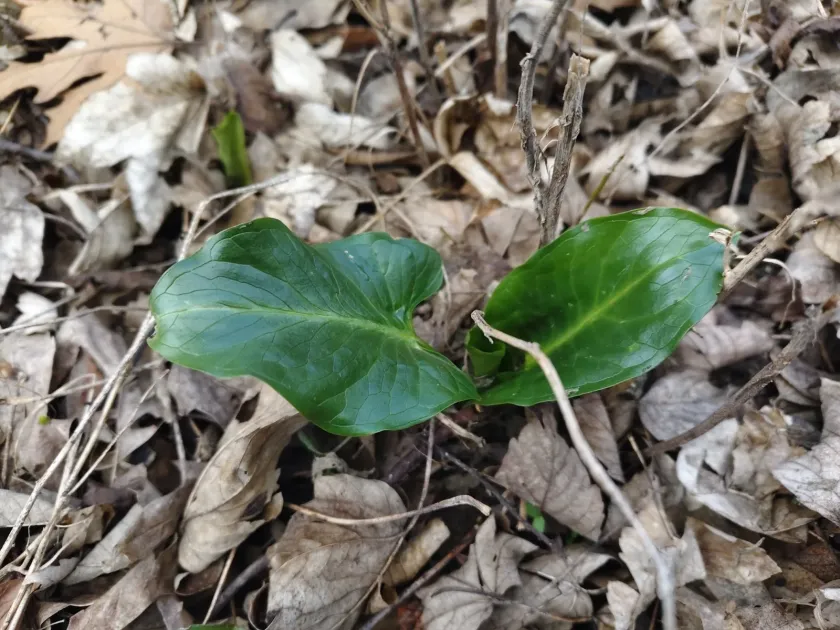
Description
Growing requirements
Arum cylindraceum is a perennial herbaceous species belonging to the Araceae family. Characterized by its tuberous root system and distinctive arrow-shaped leaves, it is native to the forested regions of Europe and typically thrives in woodland habitats.
Cultivation of this plant requires a location that replicates its natural woodland environment. It performs best in partial to full shade, avoiding intense midday sun, which can dehydrate the foliage and inhibit the development of the spathe and spadix.
The ideal growing medium is a rich, humus-based soil that is slightly acidic to neutral. Providing excellent drainage is essential, as the tubers are highly susceptible to rot if they remain in waterlogged soil for extended periods.
Watering should be consistent throughout the spring growth period. Once the plant enters its summer dormancy stage, watering should be significantly reduced or stopped entirely to allow the tubers to mature safely in the ground.
In terms of temperature, the plant is relatively hardy but benefits from a layer of organic mulch during winter in colder climates. This practice stabilizes the soil temperature and prevents the tubers from suffering frost damage.
Main diseases and pests
Slugs and snails represent the primary pest threat to Arum cylindraceum. These mollusks are particularly attracted to the tender foliage during the early stages of spring growth and can cause severe cosmetic damage if left unchecked.
Root rot caused by fungal pathogens is the most critical disease issue, usually linked to poor soil drainage or excessive irrigation during dormancy. Preventive measures involve ensuring a loose, well-draining soil structure before planting.
Aphids can infest the plant, causing leaf curling and potential transmission of viral diseases. Regular monitoring of the foliage and application of horticultural oils or insecticidal soap are recommended as effective control strategies.
Viral infections may manifest as chlorotic spots or stunted growth. Since there are no cures for these infections, isolating or removing affected plants is the only way to prevent the spread of the virus within the planting area.
Environmental stress, such as extreme heat or unexpected drought, can trigger premature senescence. While not a disease, this weakens the plant's vigor, making it more susceptible to opportunistic fungal infections in the following year.