
Arum hygrophilum
Arum hygrophilum
Description
Growing requirements
Arum hygrophilum is a herbaceous perennial belonging to the Araceae family. This species is native to the Eastern Mediterranean, frequently found in humid environments such as riverbanks, shaded slopes, and areas with high soil moisture content throughout the year.
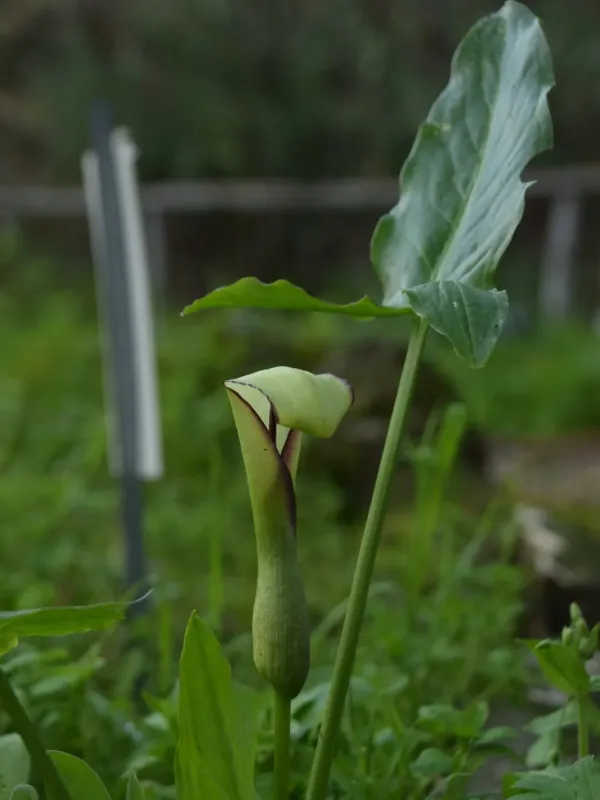
The plant grows from a tuber and is characterized by its broad, arrow-shaped leaves and a distinct inflorescence consisting of a spadix and a spathe. It is highly adapted to shady or semi-shaded habitats where it can thrive without the risk of leaf dehydration caused by direct, intense sunlight.
For successful cultivation, the soil should be rich in organic matter, loose, and capable of retaining water without becoming waterlogged. Drainage is essential, as stagnant water can be fatal for the tuberous roots of this species during the dormancy phase.
Cultural practices require careful monitoring of humidity levels. During the growing season, consistent moisture is mandatory, whereas, in the summer dormancy period, it is crucial to allow the soil to dry out to prevent the rot of the storage organs.
In terms of agricultural and horticultural use, Arum hygrophilum is primarily valued as an ornamental specimen for moist, shaded landscape designs. Its unique aesthetic appeal makes it a coveted plant for botanic collections and specific ecological garden setups.
Main diseases and pests
The primary threats to Arum hygrophilum are soil-borne fungal pathogens that cause tuber rot. These infections are significantly exacerbated by cool and overly wet conditions, which favor the proliferation of various molds and bacteria.
Gastropods, including slugs and snails, represent the main pest threat. They are highly attracted to the succulent foliage of the plant, often causing extensive damage to the leaves early in the season, which weakens the overall health of the tuber.
Prevention involves ensuring proper spacing between plants to facilitate airflow, which reduces humidity around the leaf bases and helps manage disease pressure. Proper substrate composition, incorporating sand or perlite, helps maintain the balance of moisture and drainage.
Control of pests can be achieved through physical barriers and the judicious use of safe molluscicides when necessary. Regular monitoring of the foliage helps to detect infestations early, preventing significant loss of photosynthetic surface area.
Gardeners must exercise caution when handling the plant, as all parts contain calcium oxalate crystals. These compounds can cause severe irritation upon contact with the skin or mucous membranes, so wearing gloves during maintenance work is strongly recommended.