
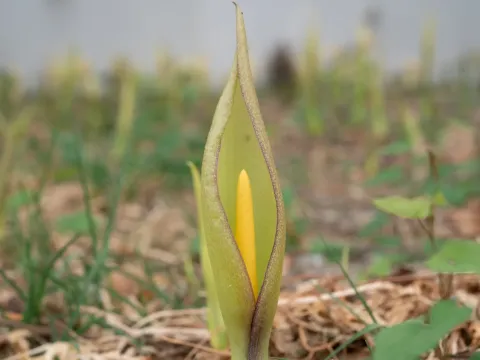
Arum concinnatum
Arum concinnatum
Arum concinnatum is a tuberous perennial plant belonging to the Araceae family. In its natural habitat, this species is endemic to the Eastern Mediterranean, primarily found on the Greek islands, such as Crete and Rhodes.
What the section contains
Arum concinnatum
The plant exhibits a distinct seasonal growth pattern. The vegetative period begins with the autumn rains, when arrow-shaped leaves emerge from the tuber, remaining through winter and spring. Flowering occurs in the spring, followed by the senescence of the above-ground parts during the summer drought period.
For successful cultivation, the species requires well-drained, loose, and fertile soil with a neutral to slightly alkaline pH. Waterlogging during the winter season is lethal to the tubers and leads to rapid rotting.
Arum concinnatum prefers partial shade or diffused light, as direct sunlight can scorch the leaf blades during active growth. In outdoor settings, the plant demonstrates moderate frost hardiness and requires protective mulching in regions with harsh winters.
In ornamental gardening, it is valued for its unique inflorescence, consisting of a spadix wrapped in a striking spathe, and its elegant leaf shape. It is important to note that all parts of the plant contain calcium oxalate, so gloves should be worn when handling to avoid irritation.
The main threats to this culture are fungal diseases that develop under conditions of substrate waterlogging, such as root and tuber rots. Prevention relies primarily on ensuring excellent drainage.
Among pests, slugs and snails pose the greatest danger, as they actively consume young leaves during the spring. Control methods include the use of mechanical traps or specialized molluscicides.
Aphid infestation is also possible, as they feed on the sap of young shoots and inflorescences. Regular inspections and the use of insecticidal soap or appropriate insecticides allow for effective management of this pest.
Nematodes may attack the root system, resulting in stunted growth and leaf deformation. If signs of infestation are detected, affected specimens should be removed to prevent spread.
Disrupting the dormancy phase, where the plant fails to experience a dry summer period, can lead to physiological disorders and a lack of flowering in the following season.