
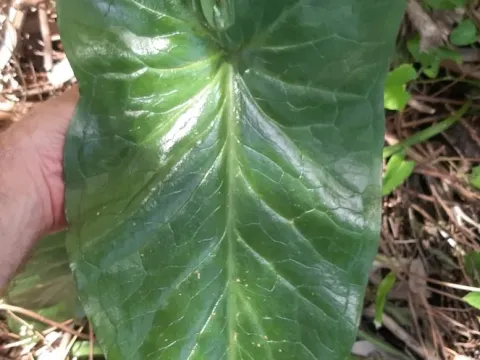
Arum apulum
Arum apulum
Arum apulum is a rare perennial herbaceous tuberous plant belonging to the Araceae family. It is an endemic species with a restricted geographical range located exclusively in the Apulia region of southeastern Italy.
What the section contains
Arum apulum
This crop thrives in specific Mediterranean climatic conditions, characterized by mild, wet winters and hot, dry summers. The plant is naturally adapted to open or semi-shaded environments with good airflow.
The soil requirements for this species are specific: it necessitates light, well-drained, and humus-rich substrates. Proper drainage is essential to prevent tuber rot, particularly during the dormant winter phase when soil moisture levels can become critical.
Cultivation practices require monitoring moisture levels during the active growth phase, which typically occurs from autumn to spring. Once the plant enters its summer dormancy period, the ground must be kept relatively dry to ensure the survival of the tuber.
The primary use of Arum apulum is ornamental and botanical, serving as a prized specimen in specialist collections and botanic gardens. It is highly valued for its unique spathe structure and foliage, attracting collectors interested in rare Mediterranean geophytes.
The most significant threat to the crop involves fungal pathogens triggered by poor drainage or excessive soil moisture. Various forms of soft rot can destroy the tuber, especially if the drainage profile is inadequate during the winter season.
Slugs and snails are the most prominent pests, as they frequently feed on the succulent leaves and developing inflorescences. These pests can significantly damage the plant's aesthetic value and overall vigor if left unmanaged.
Aphid infestations may occur on the soft tissues of the inflorescence and foliage, weakening the plant by sucking vital sap. Regular scouting and appropriate control measures are recommended to maintain plant health throughout the growing season.
Root damage caused by soil-dwelling larvae can expose the plant to secondary bacterial infections. Ensuring the use of sanitized growing media and monitoring the soil environment is essential for prevention.
Stagnant air and poor light conditions can lead to foliage spotting and weakened immunity, reducing the overall lifespan of the plant. Maintaining optimal environmental parameters is key to successful cultivation.