
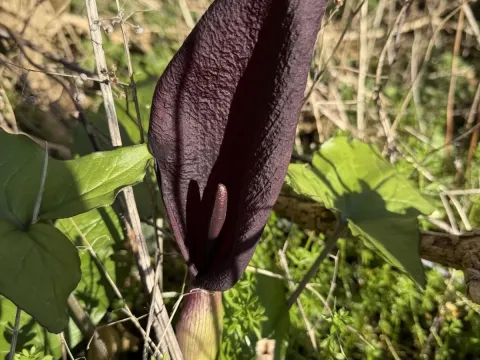
Arum purpureospathum
Arum purpureospathum
Arum purpureospathum is a distinctive member of the Araceae family, native to the island of Crete. This perennial geophyte is highly valued among enthusiasts for its unique, dark-hued spathe and specific ecological niche.
What the section contains
Arum purpureospathum
Cultivation requires soils that are both nutrient-rich and exceptionally well-drained. In a garden setting, it thrives in rocky, lime-based substrates that replicate the natural Mediterranean environments where this species typically settles.
The climate requirements for this plant are strictly defined by its Mediterranean origins. It prefers mild winters and requires protection from extreme frost, making container gardening a popular choice for growers in colder zones.
Water management is critical for the survival of the corms. During the active growing season, moisture should be provided consistently, while during the summer dormancy phase, the soil must be kept dry to prevent fungal outbreaks.
The primary use of Arum purpureospathum is ornamental. It is categorized as a botanical curiosity, often used in specialist collections, woodland garden borders, or in temperate greenhouses where its unique morphology can be carefully monitored.
The most severe threats to Arum purpureospathum are soil-borne pathogens, specifically fungal rot and Fusarium wilt. These often manifest when the corm remains in waterlogged soil for extended periods during its dormant cycle.
Garden pests such as slugs and snails pose a consistent threat to the foliage. They are attracted to the succulent nature of the plant, frequently consuming the leaves and stems shortly after they emerge in the spring.
Aphid infestations may occur on the spadix and upper foliage. These sap-sucking insects can weaken the plant’s vigor and serve as vectors for viral pathogens, which are difficult to manage once established.
Root mites represent another potential issue, especially in greenhouse conditions where ventilation is poor. They damage the corm tissue, providing entry points for secondary bacterial infections that lead to plant collapse.
Prevention involves ensuring high drainage capacity of the planting medium and maintaining an environment with good air circulation. Regular inspection for early signs of damage is essential for maintaining a healthy display of this rare Arum species.