
Arisaema tortuosum
Arisaema tortuosum
Description
Growing requirements
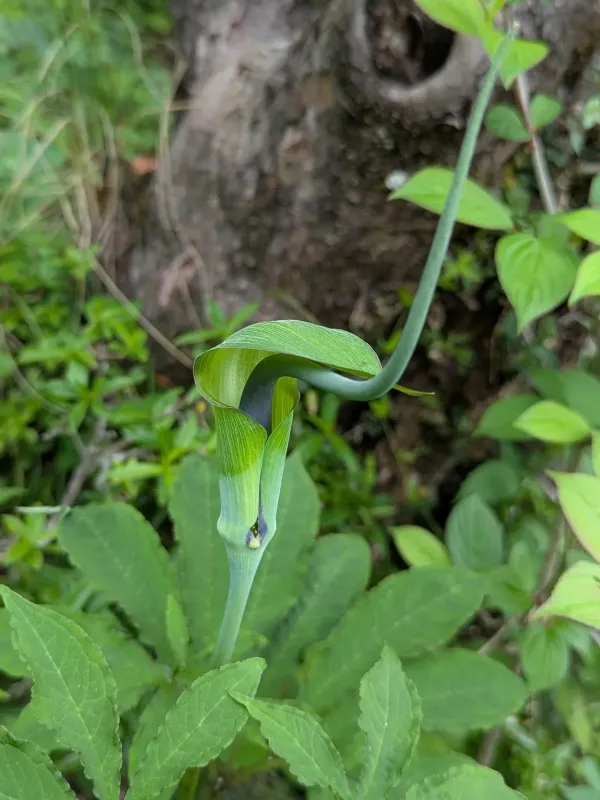
Arisaema tortuosum is a distinctive perennial plant belonging to the Araceae family, native to the mountainous regions of the Himalayas, extending from Afghanistan to China. It is highly valued in botanical gardens and private collections for its unique structure, characterized by a spiral spadix that extends from the spathe.
The culture thrives in partial shade environments, effectively replicating its natural habitat on forest floors. Cultivation in direct sunlight should be avoided, as intense radiation can scorch the foliage and cause physiological stress, resulting in stunted growth and early senescence of the plant.
For optimal growth, the soil must be rich in organic matter, slightly acidic, and exceptionally well-drained. Gardeners are advised to incorporate leaf mold, compost, and coarse sand or grit to ensure that water drains efficiently, as the plant's tubers are highly susceptible to rotting in waterlogged conditions.
Water management is critical in the agronomy of Arisaema tortuosum. Throughout the active growing season, the soil should be kept consistently moist but never saturated. Watering frequency should be adjusted based on ambient temperature and humidity levels to prevent the medium from drying out completely.
Regarding climate, the plant prefers temperate conditions with high atmospheric humidity. In colder regions, gardeners must protect the tubers during winter either by applying a thick layer of organic mulch or by lifting them and storing them in a cool, frost-free location until the next spring planting season.
Main diseases and pests
Fungal pathogens represent the most significant threat to the health of Arisaema tortuosum, particularly root and tuber rots. These diseases are almost exclusively triggered by inadequate soil drainage or over-irrigation, necessitating strict adherence to irrigation schedules and the use of high-quality substrate.
Slugs and snails are the primary pests that damage the broad, attractive foliage of the plant. During damp and rainy weather, these mollusks can decimate the leaves overnight, therefore, using bait stations or barrier treatments is a recommended practice for those managing large groups of this exotic species.
Aphid infestations may occur during the warmer months, clustering around the inflorescence and tender new shoots. While generally not fatal, persistent aphid presence can weaken the plant and lead to the transmission of viral diseases, which requires timely intervention with insecticidal soaps or systemic treatments.
Bacterial soft rot can occur if mechanical damage to the tuber during handling is not properly treated. It is essential to ensure that any cuts made during division or transplanting are allowed to callous over before replanting, significantly reducing the risk of pathogen entry into the succulent tissues.
Finally, as all parts of the plant contain calcium oxalate crystals, it is essential to handle Arisaema tortuosum with gloves to prevent skin irritation. This toxic defense mechanism generally keeps larger mammals and rodents away, making the plant relatively resistant to herbivory by wild animals.