
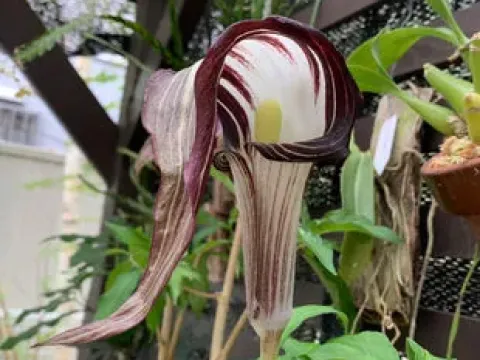
Arisaema takedae
Arisaema takedae
Arisaema takedae is typically propagated by seeds, which should be sown soon after maturation in a well-drained, porous growing medium. Seeds require a period of cold stratification to overcome dormancy and ensure successful germination in the spring.
What the section contains
Arisaema takedae
Vegetative propagation is achieved by dividing mature tubers during the dormant winter season. Carefully separating the offsets from the parent tuber and dusting the cut surfaces with fungicide or charcoal helps prevent infection during the healing process.
Sowing depth is generally shallow, around 1-2 cm, to protect the developing embryo while allowing it to sense surface temperature changes. Maintaining consistent moisture throughout the germination period is critical for early development.
The best timing for planting or transplanting is early spring before the plant breaks its dormancy. This allows the root system to establish itself in the new substrate before the leaves unfurl and energy demands increase.
As a member of the Araceae family, this species possesses unique morphological characteristics, including a tuberous rootstock. Successful cultivation depends on respecting this natural cycle of growth and dormancy throughout the calendar year.
Arisaema takedae thrives in shaded or semi-shaded environments, mimicking its natural woodland habitat. Exposure to direct intense sunlight can cause severe leaf scorch and dehydration, which hinders the plant's photosynthetic efficiency.
The soil must be rich in organic matter, such as leaf mold or compost, to provide necessary nutrients and maintain a light, friable texture. Excellent drainage is non-negotiable to ensure the tuber remains healthy and free from oxygen deprivation.
Soil acidity should be slightly acidic to neutral, which aligns with the plant's native ecological preferences. Regularly applying organic mulch helps retain moisture while simultaneously enriching the topsoil layer for active root growth.
Temperatures should remain cool to moderate during the growing season. In climates prone to deep freezes, protecting the tuber zone with additional insulation layers is recommended to ensure the plant survives the winter months without damage.
Watering requirements are moderate; however, the soil should never be allowed to dry out completely during the active growing phase. Conversely, excessive watering without adequate drainage will lead to physiological stress and root rot.
Root and tuber rot are the primary threats to Arisaema takedae, often caused by pathogenic fungi proliferating in waterlogged, poorly aerated soil. Prevention focuses on site selection and soil structure modification.
Slugs and snails are major pests that target the tender foliage, often causing significant aesthetic damage to the plant. Barrier defenses, such as copper tape or crushed eggshells, are commonly employed to protect the growing shoots.
Aphids may occasionally infest the undersides of leaves during warm, dry spells, leading to stunted growth. Systematic monitoring and the use of targeted biological controls or mild soap solutions can keep populations in check.
To maintain plant health, it is vital to avoid mechanical damage to the tubers during gardening tasks. Any wounds created become entry points for soil-borne bacteria, which can cause soft rot, a devastating and rapid infection.
A proactive approach to hygiene, including the removal of dead or decaying plant matter around the base of the plant, significantly reduces the pressure from pests and diseases, ensuring a healthy growing season.