
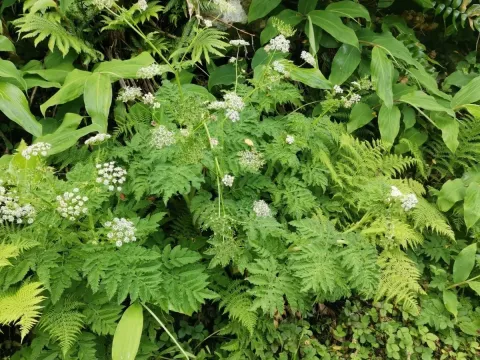
Azorean chervil
Chaerophyllum azoricum
Azorean chervil (Chaerophyllum azoricum) is a rare herbaceous plant of the Apiaceae family, native to the Azores archipelago. In temperate climates, sowing is recommended in early spring once soil temperatures reach 5-8 degrees Celsius.
What the section contains
Azorean chervil
Autumn sowing is also feasible in late October, which ensures faster germination during the early spring period. The seeds require a period of stratification in cool, moist conditions to break dormancy effectively.
The seeds should be sown at a depth of 1-1.5 centimeters, as they are sensitive to moisture deficits. A row spacing of 20-25 centimeters is ideal for commercial or garden cultivation.
After sowing, maintaining constant surface humidity is critical, as seedlings are susceptible to dehydration. The use of light mulch or a fleece cover can significantly improve early germination rates.
Thinning the seedlings is necessary once the first two true leaves have developed to ensure adequate space for plant development and to prevent overcrowding in the rows.
This species thrives in cool, humid, and mild maritime environments. It prefers partially shaded locations, as direct intense sunlight can trigger early bolting, reducing the harvest quality.
The soil should be well-drained, rich in organic matter, and have a neutral or slightly acidic pH level. Heavy, clay-rich soils should be amended with compost or sand to improve texture and aeration.
Azorean chervil requires consistent moisture throughout its growth cycle. Prolonged dry spells should be avoided, as moisture stress leads to the accumulation of bitter compounds in the leaves.
Nitrogen-rich fertilizers should be applied sparingly, as an excess can diminish the plant's delicate aromatic properties. Balanced organic nutrition is preferred for healthy vegetative growth.
Optimal temperatures for development range from 15 to 20 degrees Celsius. Temperatures exceeding 25 degrees Celsius are detrimental, pushing the plant into its flowering phase prematurely.
The primary economic focus of this crop is the harvesting of its tender, aromatic foliage. With appropriate cultural practices, yields can be maximized through regular but careful leaf picking.
Initial harvesting can commence 40-50 days post-emergence. Leaves should be harvested while bright green and tender, ensuring the growing point of the plant remains intact for subsequent regrowth.
Under favorable conditions, 2-3 harvests per season are possible. Total yields can reach up to 1.5-2 kilograms per square meter when moisture and soil nutrient levels are carefully managed.
Post-harvest handling is critical, as the greens are highly perishable and lose quality within 24-48 hours. Proper cooling immediately after harvest is essential for market quality.
For those interested in seed production, select the most robust specimens after the second cutting and allow them to complete their life cycle until the seeds mature into a brownish state.
Like many members of the Apiaceae family, Azorean chervil is prone to fungal issues like powdery mildew and Septoria blight. Good air circulation and avoiding overhead watering reduce the infection risk.
Aphids and spider mites are the most common pests. Regular inspection of the undersides of the leaves is advised, and biological control methods are preferred given the plant's culinary use.
Nematode infestations can damage roots and weaken the overall plant vitality. Crop rotation is the most effective preventative measure to minimize the buildup of soil-borne pathogens.
Slugs and snails may attack seedlings during damp weather. Removing weeds and debris from the surrounding area creates an environment less favorable for these pests to thrive.
- Monitor for aphid colonies weekly.
- Avoid over-densification of plants.
- Practice diverse crop rotation.
Harvesting is best performed in the cool morning hours when the concentration of essential oils is at its peak. Use sharp shears to cut the leaves 3-5 centimeters above the soil level.
Preventing premature flowering is essential, as the foliage becomes bitter once the plant begins to produce a flower stalk. Prompt removal of any visible stalks prolongs the harvest season.
Once harvested, keep the produce out of direct sunlight and in a cool environment. Storing the leaves in perforated plastic bags at 2-4 degrees Celsius helps maintain freshness.
Drying the leaves for long-term use should be done in a shaded, well-ventilated area. Avoid high temperatures to ensure the volatile essential oils that give the herb its anise-like scent are preserved.
Seed collection involves harvesting the browned umbels, drying them indoors, and then threshing the seeds. Clean seeds should be stored in cool, dark conditions to maintain future viability.