
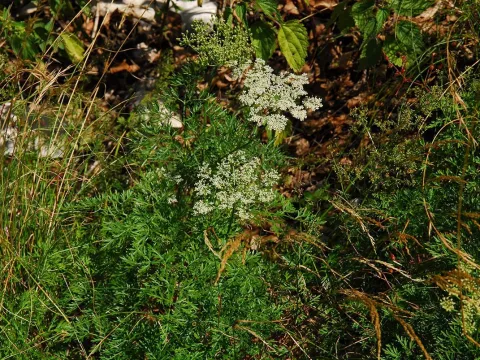
Austrian masterwort
Peucedanum austriacum
Austrian masterwort is a perennial plant that requires a cold stratification period to achieve optimal germination rates. It is best sown in late autumn or early spring to allow the seeds to naturally acclimatize to the environment.
What the section contains
Austrian masterwort
The seeds should be sown in rows spaced 45 to 60 centimeters apart to provide sufficient room for root development. A shallow sowing depth of 1-2 centimeters is essential as the seeds are quite small and require light for proper emergence.
During the first year of growth, the plant focuses on establishing a rosette of leaves, making weed control in the rows particularly important. Using high-quality, fresh seeds significantly improves the uniformity of the plant stands.
Advanced agricultural practices often involve pre-soaking seeds or using specialized nursery beds before transplanting to the main field. Consistent soil moisture during the germination phase is vital for success.
Thinning should be performed once the plants have developed 3-4 true leaves to prevent competition for nutrients and water, which is crucial for the development of a vigorous plant.
As a member of the Apiaceae family, Austrian masterwort prefers well-lit, sunny areas but can tolerate partial shade. It is a hardy plant, capable of surviving harsh winters if well-established in the soil.
The ideal soil for this crop is fertile, loamy, or sandy with a neutral to slightly alkaline pH. Good drainage is non-negotiable, as waterlogged conditions lead to root rot and poor growth.
Maintaining a pH level between 6.0 and 7.5 ensures the availability of essential macro and micronutrients. The inclusion of organic matter in the soil profile supports robust biomass production.
The plant possesses a deep taproot, granting it good drought resistance once mature. However, during the initial stages of development, supplemental watering is necessary to ensure consistent growth.
Avoid planting in areas with high water tables or heavy, compacted clay soils, as these conditions inhibit root penetration and increase the risk of fungal infections.
The yield of Austrian masterwort increases progressively, with the most productive harvests typically occurring in the second and third years of cultivation. Plan your harvest cycle accordingly to maximize output.
Under optimal management, yields of fresh aerial parts can reach 15 to 25 centners per hectare. This depends on planting density and the use of balanced mineral fertilization programs.
When grown for its roots, productivity is measured by the weight of the harvested rhizomes. Roots reach their peak quality for herbal extraction after two full seasons of growth.
Phosphorus and potassium fertilization are essential to stimulate root mass, which directly translates to a higher harvestable volume for specialized herbal use.
Regular field assessments and weighing of the harvested crop allow farmers to refine their techniques and improve the overall profitability of the masterwort plantation over time.
Austrian masterwort is generally resilient, but poor field management can lead to fungal diseases such as powdery mildew or leaf spot, especially in environments with high humidity.
Root rot is the most serious threat, typically triggered by poor drainage or overwatering. Maintaining adequate soil aeration is the primary preventive measure for a healthy root system.
Pests like aphids and parsley worms can attack the foliage and flowers. Integrated pest management practices, including regular scouting, are necessary to protect the crop's quality.
Effective crop rotation is mandatory to prevent the build-up of host-specific pathogens in the soil. Avoid planting masterwort after other Apiaceae crops for several years.
If chemical intervention is necessary, it must be performed sparingly and in accordance with strictly defined waiting periods to ensure the safety of the harvested product.
Harvesting of the foliage is best timed at the onset of flowering, as this is when the concentration of essential oils and aromatic compounds reaches its peak concentration.
Root harvesting is best conducted in late autumn or early spring when the plant is dormant and energy reserves are stored within the underground structures.
Harvesting should occur during dry weather to prevent moisture build-up, which could lead to spoilage or fungal growth during the drying process of the raw material.
Quick drying at temperatures below 40 degrees Celsius helps preserve the chemical composition and sensory qualities of the harvested plant parts.
Properly dried and sorted material should be stored in cool, dark, and well-ventilated conditions to maintain the therapeutic value and shelf life of the Austrian masterwort product.