
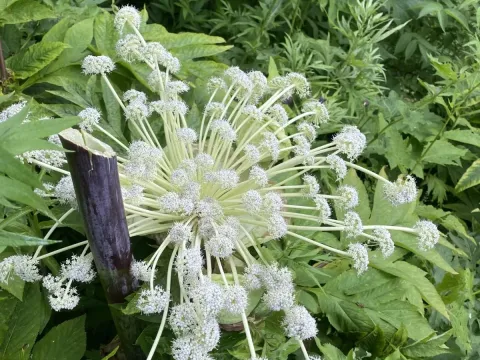
Bear angelica
Angelica ursina
Bear angelica is a perennial plant typically propagated via seeds, which perform best when sown in late autumn. This allows the seeds to undergo natural cold stratification, which is essential for breaking dormancy and ensuring uniform germination in the spring.
What the section contains
Bear angelica
When sowing in spring, seeds must be kept in cool, moist conditions for several weeks to mimic winter and trigger the germination process. The seeds are small and should be sown at a depth of approximately 1 to 2 centimeters to provide enough protection while allowing light access.
Optimal row spacing should be maintained at 50–60 centimeters to facilitate mechanical weed control and promote good air circulation around the plants. Proper spacing helps prevent the development of fungal diseases during the humid summer months.
Seedbed preparation is critical; the soil must be fine-textured and free of clods to allow the delicate radicle to penetrate deeply. Irrigation after sowing is vital if the soil lacks sufficient moisture to keep the area consistently damp for the first few weeks.
Seedling establishment can be slow, as the plant invests significant energy into building its root system during the first year of growth. Once established, the plants are resilient and capable of competing with neighboring vegetation.
This species thrives in nutrient-rich, deep, loamy soils that possess high organic matter content. It is well-adapted to cooler climates and prefers sites with partial shade, reflecting its natural habitat along forest edges and mountain slopes.
Adequate water supply is crucial for healthy development, especially during the peak growing season. However, the site must be well-drained, as waterlogging is highly detrimental to the root system and can lead to crown rot.
Soil pH should remain within the slightly acidic to neutral range (pH 6.0–7.0). If the local soil is too acidic, amending the plot with lime can optimize the growing conditions for this specific member of the Apiaceae family.
Regular fertilization with organic compost or well-balanced mineral fertilizers supports the vigorous growth of the foliage. High nitrogen levels during the early vegetative stage encourage rapid leaf development, while potassium aids in structural integrity.
The plant is highly frost-tolerant and does not require special winter protection in most temperate agricultural zones. Its ability to withstand harsh winters makes it a reliable crop for northern regions where other species might struggle.
Fungal pathogens such as powdery mildew represent a significant threat to the foliage, particularly in dense stands with poor airflow. Maintaining wide spacing and removing infested plant debris can effectively reduce disease pressure.
Aphids often colonize the tender tips and developing flower stalks, draining sap and potentially spreading viral infections. Integrated pest management, including the use of beneficial insects, is recommended for sustainable production.
Root rot is a common issue caused by excessive soil moisture or poorly drained fields. To mitigate this risk, farmers should ensure proper surface drainage and avoid planting in low-lying areas where water tends to pool after heavy rains.
The umbellifer moth can damage flower heads, potentially affecting seed production. Early monitoring and the use of targeted biological control agents or soft insecticides are necessary to protect the yield when necessary.
Regular field inspection is essential to identify early signs of pathogen stress. Timely action, such as thinning the canopy or applying copper-based fungicides, is often sufficient to contain localized infections before they spread across the crop.