
Azorella trifurcata
Azorella trifurcata
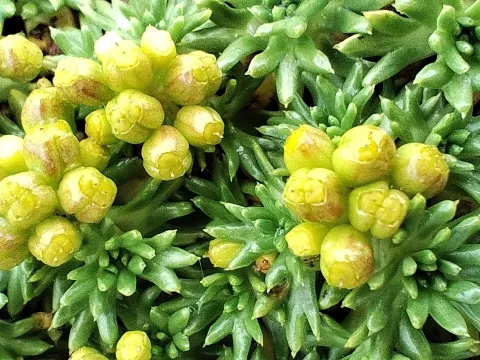
Azorella trifurcata is a perennial evergreen plant belonging to the Apiaceae family. It is highly valued in gardening for its ability to form dense, mat-like cushions that mimic the appearance of moss or low-growing alpine shrubs.
What the section contains
Azorella trifurcata
Native to the mountainous regions of South America, specifically in Chile and Argentina, this species has evolved to withstand harsh weather conditions and poor soil quality. It is widely used in rock gardens, scree beds, and as an ornamental groundcover.
The plant requires well-drained, sandy, or gritty soil to thrive. Proper drainage is the most critical factor in its successful cultivation, as the roots are highly susceptible to rot if they remain in saturated or waterlogged conditions for extended periods.
In terms of light, it prefers full sun to light shade. While it is quite hardy, protecting it from the intensity of midday sun in hotter climates helps prevent leaf scorch and promotes better color retention in its deep green foliage.
Maintenance is relatively minimal. The plant grows slowly, forming a long-lasting carpet. It does not require frequent pruning, although removing dead leaves and ensuring adequate airflow around the cushion will promote long-term vitality.
The primary threat to the health of Azorella trifurcata is excessive soil moisture and humidity. Poor drainage or stagnant water usually leads to root rot and crown rot, which can destroy the entire plant cushion.
Slugs and snails can pose a significant challenge, especially during wet seasons. They feed on the fresh growth of the cushion, leaving visible gaps and damaging the uniform texture of the plant.
Preventive care involves applying a layer of fine gravel or crushed stone around the base of the plant. This keeps the foliage from touching damp soil and minimizes the risk of fungal pathogens taking hold.
If fungal infections occur, the affected sections should be carefully removed, and a suitable fungicide should be applied to prevent the spread to adjacent healthy parts of the plant.
Regular monitoring for pests and diseases is recommended, especially in regions with high rainfall, where the microclimate under the foliage can become a breeding ground for pests.