
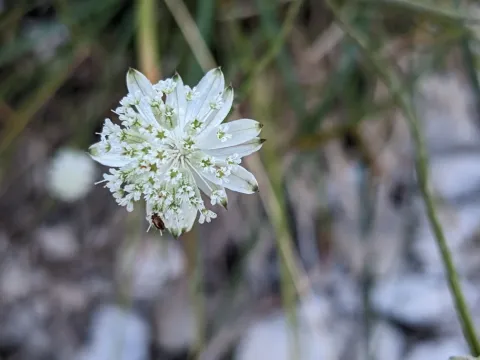
Astrantia bavarica
Astrantia bavarica
Astrantia bavarica belongs to the Apiaceae family and is a perennial herbaceous plant. Its natural habitat is concentrated in the high-altitude regions of the Alps, where it thrives in alpine meadows.
What the section contains
Astrantia bavarica
Propagation is typically done through seed sowing or the division of established rootstocks. Seeds require a cold stratification period of several weeks to break dormancy and ensure uniform germination.
Sowing in open ground is best performed in late autumn, allowing the seeds to undergo natural winter chilling. If sowing in containers, use a light, well-draining substrate and keep in a cool place.
Transplanting should occur once the risk of frost has passed in the spring. Plants should be spaced 30–40 cm apart to ensure adequate airflow and prevent overcrowding as the clumps grow larger over time.
The plant grows slowly during its first year, focusing primarily on establishing a basal rosette of leaves. Robust flowering is generally achieved from the second year onwards as the root system matures.
The species prefers moist, fertile, and well-draining soils with a neutral or slightly alkaline pH. In heavy or compacted soils, adding organic matter or compost is essential to improve aeration.
Astrantia bavarica performs best in locations with partial shade, though it can tolerate full sun if the moisture levels in the soil are consistently high throughout the growing season.
Consistent watering is crucial, especially during dry summer spells. Mulching the base of the plant with organic material helps maintain soil moisture and protects the roots from extreme temperature fluctuations.
Feeding with a balanced mineral fertilizer once or twice during the early growth stage supports vigorous development and vibrant blooming. Avoid excessive nitrogen, which can lead to weak, floppy stems.
The plant is highly hardy and generally survives cold winters without special protection. However, a light covering of mulch in late autumn can provide additional insulation in regions with low snow cover.
Aphids are the most common pests affecting this species, particularly during the spring growth phase. Using insecticidal soaps or neem oil is usually effective in managing small infestations without harming the plant.
Fungal diseases like powdery mildew can appear if the plants are situated in areas with poor air circulation or excessive humidity. Ensuring proper spacing during planting is a primary preventative measure.
Slugs and snails can cause significant damage to young leaves during wet weather. Implementing barriers or using biological controls like copper tape or natural predators helps protect the foliage.
Root rot is often a result of waterlogged soil. Providing a good drainage layer during planting is essential to avoid permanent water retention around the roots of the Astrantia.
Regular monitoring of the garden allows for the early detection of issues. Removing damaged or infected foliage promptly helps keep the overall plant population healthy and reduces disease pressure.
Astrantia bavarica is primarily valued for its unique, star-shaped inflorescences, making it a popular choice for rock gardens, mixed borders, and naturalistic landscaping designs.
Cut flowers are harvested when the blooms are fully open. They are known for their longevity in bouquets, provided they are placed in fresh water immediately after cutting.
Seed harvesting should take place once the flower heads have fully matured and begun to dry. The seeds should be stored in a cool, dry place to maintain their viability for the next planting season.
Deadheading spent flowers is a recommended practice to improve the plant's appearance and potentially encourage a secondary flush of blooms later in the season.
In late autumn, after the first frost, the entire aerial portion of the plant should be cut back to the ground level to clear away old foliage and prepare the plant for its dormant phase.