
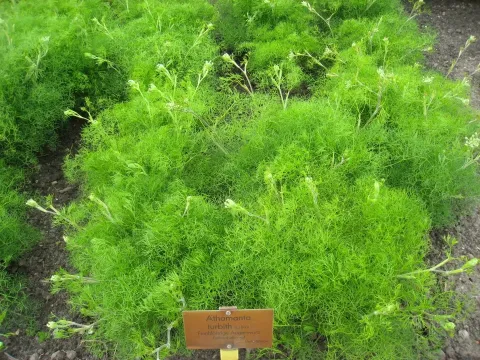
Athamanta
Athamanta
Sowing of Athamanta seeds is best performed during the late autumn or early spring period. The seeds require a cold stratification process to overcome dormancy and ensure uniform germination across the field.
What the section contains


Athamanta
Seeds should be sown at a very shallow depth, barely covering them with a thin layer of soil. Given their small size, deep burial often prevents the sprouts from successfully reaching the surface and depletes their energy reserves.
Row spacing should ideally be set at 40–50 centimeters to allow for adequate airflow and weed control. Since the plant develops a significant taproot, it is essential to ensure that the soil is loose enough to accommodate vertical growth.
Weed management is critical during the initial stages of seedling development. The crop grows quite slowly at first, making it highly susceptible to competition from faster-growing annual weeds if not monitored properly.
Maintaining consistent moisture levels during the germination phase is essential. Once the plants reach the stage of producing several true leaves, they become significantly more drought-resistant and hardy.
Athamanta is a genus within the Apiaceae family, characterized by its adaptation to mountainous and rocky environments. It thrives in well-drained, porous soils that prevent the accumulation of excess moisture around the roots.
High levels of solar radiation are necessary for the development of aromatic compounds within the plant tissues. Fields should be situated in open, sunny locations with southern exposure to maximize the metabolic activity of the plants.
The ideal soil pH is neutral or slightly alkaline. Unlike many other crops, Athamanta does not require high levels of soil nitrogen; instead, it prefers balanced mineral composition that supports slow, steady growth.
Climatic requirements involve moderate summers and winters without excessive dampness. The plant is well-adapted to surviving cold temperatures, provided the soil remains free of waterlogging, which is a major cause of winter mortality.
Agricultural management should prioritize soil aeration. Periodic loosening of the soil between rows is beneficial to prevent compaction and encourage deeper root penetration, which enhances the overall longevity of the perennial stands.
Root rot is the most common pathology affecting Athamanta, usually triggered by poor drainage or frequent waterlogging. Symptoms include wilting and a gradual browning of the root crown, often appearing after heavy rain events.
Aphids and various mite species can infest the plant during the vegetative growth phase. These pests feed on the nutrient-rich sap of young leaves, causing stunted growth and increasing the plant's susceptibility to secondary infections.
Powdery mildew may occur during periods of high humidity and limited air movement within the crop. Preventive measures include maintaining appropriate plant density and ensuring that no stagnant air pockets exist in the field.
Field hygiene is paramount in managing these threats. Removing crop residues after the growing season helps to break the life cycles of various pathogens and pests that may overwinter in the soil or plant debris.
Organic pest control strategies, such as the use of neem-based oils or beneficial predatory insects, are highly recommended. This approach preserves the plant's quality, particularly for applications in the pharmaceutical or perfume industries.